
Skip to content
Fenro
  • Prices
  • Housing
  • Wages
  • Energy
  • Migration
  • Explained
Fenro
  • Geelong Refinery Fire 2026: What It Means for Petrol Prices
    Prices

    Geelong Refinery Fire 2026: What It Means for Petrol Prices

    ByShubham Bhardwaj April 16, 2026May 8, 2026

    The Geelong refinery fire that broke out overnight on 15 April has hit one of Australia’s only two oil refineries — right in the middle of an already serious fuel crisis. Emergency services were called to Viva Energy’s Corio facility around 11pm after reports of explosions. A gas leak triggered the blast, forcing workers to…


    Read More Geelong Refinery Fire 2026: What It Means for Petrol PricesContinue

  • Australia–USA Trade 2026
    Explained | Trade

    Australia–USA Trade 2026: Deficit, Tariffs and Deep Ties

    ByShubham Bhardwaj April 16, 2026May 6, 2026

    Australia USA trade in 2026 is unlike every other major bilateral relationship in Australia’s trade portfolio. With China and Japan, Australia runs large surpluses — selling far more than it buys. With the United States, the reverse is true. Australia imported roughly $93 billion from the US in 2024 and exported around $40 billion in…

    Read More Australia–USA Trade 2026: Deficit, Tariffs and Deep TiesContinue

  • Australia Japan trade 2026
    Explained | Trade

    Australia–Japan Trade 2026: LNG, Coal and a Shifting Story

    ByShubham Bhardwaj April 16, 2026May 6, 2026

    Australia Japan trade in 2026 is built on a foundation that has underpinned both economies for more than five decades — energy. Japan is the world’s third-largest economy and imports almost 90 per cent of its energy needs. Australia supplies roughly 70 per cent of Japan’s coal and around 40 per cent of its LNG….

    Read More Australia–Japan Trade 2026: LNG, Coal and a Shifting StoryContinue

  • Australia–China Trade 2026- Exports, Imports and Risk
    Trade | Explained

    Australia–China Trade 2026: Exports, Imports and Risk

    ByShubham Bhardwaj April 16, 2026May 6, 2026

    According to the Department of Foreign Affairs and Trade (DFAT) China country brief, Australia’s goods and services exports to China totalled $189 billion in 2024–25, representing 29 per cent of Australia’s total global exports. Combined with $120.1 billion in imports from China, the two-way trade relationship stands at $309 billion. Metric Value Australia’s exports to…

    Read More Australia–China Trade 2026: Exports, Imports and RiskContinue

  • Australia trading partners 2026
    Trade | Explained

    Australia’s Top Trading Partners 2026: Imports, Exports, Data

    ByShubham Bhardwaj April 16, 2026May 8, 2026

    Australia’s trading partners in 2026 define not just what we sell to the world, but how exposed our economy is when global relationships shift. In 2024–25, Australia’s total two-way trade in goods and services reached approximately $1.28 trillion — but the trade surplus that once cushioned the economy has narrowed sharply, from $54.8 billion in…

    Read More Australia’s Top Trading Partners 2026: Imports, Exports, DataContinue

  • US Tariffs and Australia 2026
    Explained | Trade

    US Tariffs and Australia 2026: What the Surcharge Actually Means — and What Comes Next

    ByShubham Bhardwaj April 14, 2026May 8, 2026

    US tariffs on Australia in 2026 are not the clean 10 per cent story they appeared to be in early April 2025. Twelve months on from “Liberation Day,” the tariff landscape has been reshaped by a Supreme Court ruling, a new presidential surcharge, exemptions that protect Australia’s biggest export, and two active investigations that could…

    Read More US Tariffs and Australia 2026: What the Surcharge Actually Means — and What Comes NextContinue

  • Payday Super 2026
    Explained | Super basics

    Payday Super 2026: What Changes on 1 July and What It Means for Your Retirement

    ByShubham Bhardwaj April 14, 2026April 14, 2026

    Payday super 2026 is the biggest change to Australia’s superannuation system in years — and with the 1 July start date now 77 days away, most Australian workers and employers have not yet adjusted for it. From that date, every employer in Australia must pay super contributions on payday, aligned with wages, and received by…

    Read More Payday Super 2026: What Changes on 1 July and What It Means for Your RetirementContinue

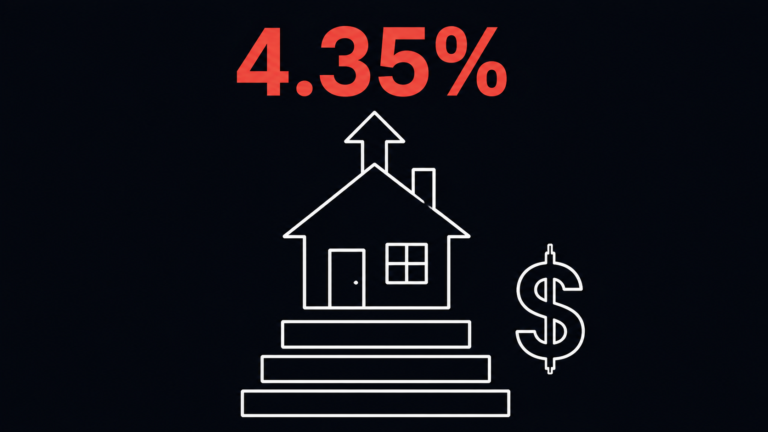
  • RBA Cash Rate 4.35%: What Your Mortgage Repayments Look Like Now — 2026 Breakdown
    Prices

    RBA Cash Rate 4.35%: What Your Mortgage Repayments Look Like Now — 2026 Breakdown

    ByShubham Bhardwaj April 14, 2026May 7, 2026

    Mortgage repayments in Australia have risen sharply in 2026 — and for most variable-rate borrowers, the third consecutive RBA rate hike is now landing in their bank accounts. The Reserve Bank raised the cash rate by 25 basis points in February, March and again on 5 May 2026, bringing the official rate to 4.35 per…

    Read More RBA Cash Rate 4.35%: What Your Mortgage Repayments Look Like Now — 2026 BreakdownContinue

  • Which Australian Industries Are Paying More in 2026?
    Prices

    Which Australian Industries Are Paying More in 2026?

    ByShubham Bhardwaj April 14, 2026May 8, 2026

    Industry wages in Australia in 2026 vary by a factor of more than two between the highest and lowest paying sectors, with mining sitting at the top of the ABS Average Weekly Earnings data and accommodation and food services consistently at the bottom. Where you work matters as much as what you do — and…

    Read More Which Australian Industries Are Paying More in 2026?Continue

Page navigation

Previous PagePrevious 1 … 3 4 5 6 7 … 10 Next PageNext
  • About
  • Contact
  • Privacy Policy
  • Cookie Policy
  • Disclaimer
  • Terms and Conditions
  • Editorial Standards

© 2026 Fenro — Cutting through the noise.

  • Prices
  • Housing
  • Wages
  • Energy
  • Migration
  • Explained