Australia’s Healthcare Costs in 2026 — What You Are Actually Paying and Why

Healthcare is one of the least visible cost pressures in Australian household budgets — it tends to arrive quietly through annual insurance renewals, GP gap fees, and pharmaceutical co-payments. But the data shows health costs are rising faster than overall inflation, and 2026 has brought a fresh round of increases across multiple parts of the system.
Here is what the publicly available data shows about healthcare costs in Australia in 2026.
What the ABS Data Shows About Health Inflation
The Australian Bureau of Statistics tracks health costs as a separate category within its monthly Consumer Price Index. According to the most recent data for February 2026:
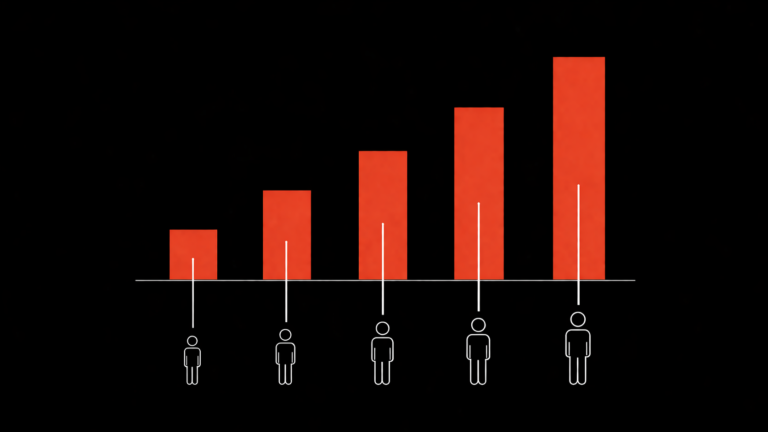
The health CPI group rose 3.2 per cent in the 12 months to February 2026. Medical and hospital services — which includes GP fees, specialist fees, private hospital charges, and private health insurance premiums — rose 4.4 per cent annually, the main driver of health cost inflation. This rate of increase is higher than overall CPI inflation of 3.7 per cent and higher than wage growth of 3.4 per cent, meaning healthcare is taking a slightly larger share of household income than it was a year ago.
There was one piece of good news in the health data: pharmaceutical prices fell 2.7 per cent in the 12 months to February 2026. This reflects a reduction in the PBS general patient co-payment for prescription pharmaceuticals, which took effect in January 2026 — a direct saving for households who regularly use prescription medications.
Private Health Insurance Premiums — Up 4.41% From April 1
The single largest healthcare cost increase hitting households in 2026 is the annual rise in private health insurance premiums. From 1 April 2026, premiums across the industry increased by a weighted average of 4.41 per cent, according to the Australian Government Department of Health.
This increase is above overall CPI inflation of 3.7 per cent and directly mirrors the 4.4 per cent rise in the medical and hospital services category recorded by the ABS. Health Minister Mark Butler rejected the initial proposed increases from insurers before the final rates were set, arguing they were too high given current inflation.
Among the largest insurers, nib recorded the steepest increase at 5.47 per cent. GMHBA recorded the lowest increase at 1.98 per cent. The five biggest health insurers — Medibank, Bupa, HCF, nib, and HBF — together hold over 80 per cent of the market share.
For a household paying $3,000 per year in private health insurance premiums, a 4.41 per cent increase adds approximately $132 to the annual bill. For a family policy at $6,000 per year, the increase is approximately $265.
Why Private Health Insurance Premiums Keep Rising
Insurers argue the increases are driven by several structural factors. Higher wages for nurses, doctors, and hospital staff are a direct cost that flows into premiums. The growing cost of medical technology and imported devices adds further pressure. Rising demand for mental health services — private mental health admissions have increased significantly since the pandemic — is also cited as a driver. And as public hospital waiting lists lengthen, more Australians turn to private care, increasing claim volumes for insurers.
Approximately 45 per cent of Australians hold private health insurance that includes hospital cover. The private health insurance rebate — a federal government subsidy for private health insurance — costs taxpayers approximately $12 billion per year, according to Health Services Daily analysis of government data.
What Australia Spends on Healthcare — The Big Picture
Australia is a significant spender on healthcare by international standards. According to the Australian Institute of Health and Welfare, in 2023-24 Australia spent an estimated $270.5 billion on health goods and services — an average of approximately $10,037 per person. Health spending accounted for 10.1 per cent of GDP, ranking Australia 13th highest among OECD nations.
Of the total health expenditure in 2023-24, governments funded approximately $188.2 billion — or 69.6 per cent — with non-government sources including individuals, private health insurers, and injury compensation insurers funding the remaining 30.4 per cent.
The out-of-pocket component — what individuals pay directly, including gap fees, dental costs, and pharmaceutical co-payments — is the part of health spending that is most directly felt in household budgets.
The Cost Categories That Matter Most to Households
GP and Specialist Gap Fees
Under Medicare, the federal government sets a schedule fee for medical services. When a GP or specialist charges above the schedule fee and does not bulk-bill, patients pay the difference — known as a gap fee. Bulk-billing rates have been declining in recent years, meaning more Australians are paying out-of-pocket for GP visits. The government has introduced incentives to encourage bulk-billing, particularly for children, pensioners, and concession card holders, but gap fees for specialist appointments remain common and can range from tens to hundreds of dollars per visit.
Dental Costs
Dental care is largely excluded from Medicare for adults. The average cost of a basic dental check-up and clean in Australia ranges from approximately $180 to $350 depending on location and provider. More complex procedures — crowns, root canals, orthodontics — can cost thousands of dollars. Dental costs are one of the most significant out-of-pocket health expenses for Australians without private health insurance extras cover.
Prescription Pharmaceuticals
The Pharmaceutical Benefits Scheme subsidises the cost of many prescription medicines. From January 2026, the PBS general patient co-payment for prescriptions fell — contributing to the 2.7 per cent annual fall in pharmaceutical prices recorded by the ABS. For concession cardholders, the co-payment is lower still. However, medications not listed on the PBS, including many newer treatments, can carry significant out-of-pocket costs.
Healthcare Costs in the Context of Overall Living Costs
Healthcare cost inflation of 4.4 per cent for medical and hospital services sits above the overall CPI of 3.7 per cent and above wage growth of 3.4 per cent. This means that for most working Australians, healthcare is becoming a slightly larger share of household spending each year.
This matters more for some households than others. Older Australians, people with chronic health conditions, and households with children tend to have higher healthcare utilisation — and therefore feel the impact of rising health costs more acutely. For households already under pressure from rent, electricity, groceries, and fuel costs, an additional 4.41 per cent increase in private health insurance premiums from April 2026 is a meaningful addition to financial stress.
For the full picture on cost of living pressures in 2026, see our coverage of 5 things getting more expensive in Australia. For context on wages and purchasing power, see our are Australian wages keeping up.
Where Healthcare Costs Stand in 2026
Based on the most recent ABS data and government published information, healthcare costs in Australia are rising faster than overall inflation in 2026. Medical and hospital services are up 4.4 per cent annually. Private health insurance premiums rose 4.41 per cent from 1 April 2026. Pharmaceutical costs fell 2.7 per cent — the one area of meaningful relief.
Australia’s overall health system remains strong by international standards — spending $10,037 per person annually and ranking 13th in the OECD for health spending as a share of GDP. But within that system, the out-of-pocket costs borne by households are rising, and for many Australians the combination of gap fees, rising premiums, and dental costs represents a significant and growing share of household expenditure.
This article is for general informational purposes only and reflects the author’s own research and understanding of publicly available data. It does not constitute medical or financial advice. Data was accurate at the time of writing — always verify current figures directly with the ABS, the Department of Health, and Services Australia.