Australia’s Insurance Costs in 2026 — What the Data Shows About Rising Premiums

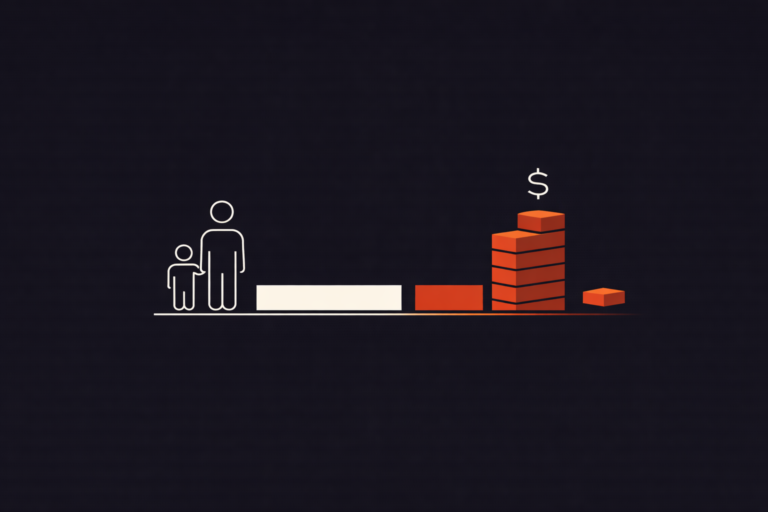
Insurance is one of the costs that tends to arrive quietly — a renewal notice once a year, a direct debit that has grown slightly larger than last time. But for a growing number of Australian households, the increase is no longer quiet. Home insurance premiums have risen 51 per cent over the past five years, and the data shows the pressure is not easing.
Here is what the publicly available data shows about insurance costs in Australia in 2026.
What the ABS Data Shows About Insurance Inflation
The Australian Bureau of Statistics tracks insurance and financial services as a category within its Consumer Price Index. According to the most recent ABS data for February 2026, the insurance and financial services category rose 2.4 per cent in the 12 months to February 2026.
That figure may seem modest compared to the 51 per cent five-year rise in home insurance premiums. The reason for the apparent discrepancy is that the ABS CPI measures the average rate of change across all insurance types — including life insurance and financial services — and reflects actual prices paid including any government subsidies and discounts. The underlying premium increases for home, contents, and motor vehicle insurance have been running well ahead of that figure in recent years.
The Five-Year Picture
To understand where insurance costs stand in 2026, the five-year trend is more revealing than the annual figure. According to Insurance Business Magazine analysis of industry data, Australian home insurance premiums have climbed 51 per cent over the past five years. Canstar increased approximately 14 per cent in 2025 alone — rising from $2,452 to $2,795 nationally. In some locations the increase reached approximately 17 per cent, adding up to $700 to annual premiums.
The Affordability Crisis — 1.61 Million Households Under Stress
The most confronting finding in recent insurance data is not the average premium increase — it is the number of households being pushed into genuine affordability stress.
According to a March 2026 report by the Actuaries Institute, 15 per cent of all Australian households now face home insurance affordability stress — defined as paying insurance premiums that cost more than four weeks of gross household income. This equates to approximately 1.61 million households, up from 1.24 million a year earlier — a 30 per cent increase in the number of households in affordability stress in just one year.
A YouGov survey commissioned by the Climate Council found that 54 per cent of insured Australians were concerned that bushfires, floods, and severe storms could make home insurance unaffordable or unavailable in their area. Nearly half — 46 per cent — said their premiums had already increased due to extreme weather. And 22 per cent said they may consider going without insurance altogether if prices continue to rise.
The Australia Institute estimated in 2025 that approximately 1.4 million Australian homes were already either uninsured or underinsured — a protection gap that the rising cost of premiums is likely to widen further.
What Is Driving Insurance Premium Increases
Several structural factors are pushing Australian insurance premiums higher simultaneously.
Extreme Weather and Climate Risk
The frequency and severity of weather-related insurance claims has increased significantly. The Insurance Council of Australia reported insured catastrophe losses of $1.97 billion in the 2024-25 financial year. While this was 25 per cent lower than the $2.61 billion recorded in 2023-24, it remains well above historical averages. Floods, bushfires, cyclones, and severe storms have all contributed to higher claim volumes and costs.
In high-risk regions the premium impact is dramatic. Average annual home insurance premiums in Brisbane’s western suburbs reach approximately $8,396 — compared to approximately $5,410 in Darwin and $5,350 in Sydney’s outer west and Blue Mountains. These differentials directly reflect the flood, bushfire, and storm risk profiles of each area.
Rising Rebuild and Repair Costs
When a home is damaged, the cost of repairing or rebuilding it depends on the price of labour and materials. Both have risen sharply since 2020. Construction costs across Australia increased approximately 40 per cent between 2020 and 2025, driven by supply chain disruptions, labour shortages, and sustained demand from the residential construction sector. Higher rebuild costs translate directly into higher insurance claims costs — which insurers pass on through higher premiums.
Reinsurance Costs
Insurers themselves buy insurance — from global reinsurance companies — to protect against large-scale catastrophic losses. As extreme weather events have increased globally, reinsurance costs have risen sharply for Australian insurers, particularly those with significant exposure to flood and cyclone risk. Those costs flow through to household premiums.
The Australian government established a cyclone reinsurance pool backed by a $10 billion guarantee to help moderate premiums in high-risk regions. The Australian Reinsurance Pool Corporation reports average premium reductions of up to 39 per cent for households and 31 per cent for small businesses in cyclone-affected areas as a result of the scheme.
What Australians Are Paying for Insurance in 2026
For context on what insurance actually costs Australian households, the following figures are based on publicly available research from Finder and Canstar:
The average comprehensive car insurance premium is approximately $130 per month — or approximately $1,560 per year — according to Finder research. The average home and contents insurance premium is approximately $143 per month for a building valued at $500,000 with $100,000 in contents cover, or approximately $1,716 per year, according to Finder data. Combined, a household with one car and a home is typically paying over $3,000 per year in general insurance premiums before private health insurance is included.
At the high end of the risk spectrum, households in flood or bushfire-prone areas of Queensland or New South Wales may pay significantly more — with some regional premiums reaching $8,000 to $10,000 per year for home insurance alone.
The Outlook — A Decade of Premium Growth
GlobalData forecasts Australia’s property insurance market will grow at a compound annual rate of 7.5 per cent between 2026 and 2030, with direct written premiums rising from approximately $27.4 billion in 2026 to approximately $36.6 billion by 2030. The firm links this growth to structural climate risk, ongoing claims inflation, and continued demand for catastrophe cover.
For households, this means insurance costs are likely to remain elevated for the foreseeable future. Three-quarters of Australians surveyed by Nine.com.au in late 2025 expected premiums to rise further in 2026. The structural drivers — climate risk, rebuild costs, and reinsurance pricing — have not been resolved and are unlikely to ease quickly.
Where Insurance Costs Stand in 2026
For the full picture on cost of living pressures, see our coverage of 5 things getting more expensive in Australia. and how the Middle East war is hitting Australian household budgets.
This article is for general informational purposes only and reflects the author’s own research and understanding of publicly available data. It does not constitute financial or insurance advice. Data was accurate at the time of writing — always verify current figures directly with the ABS, your insurer, and the Insurance Council of Australia.