
Australia’s grocery bills are still rising in 2026 — but the pressure is not coming equally from every aisle. While overall food inflation has moderated to 3.1 per cent annually, the data shows extreme divergence between categories. Beef and lamb are up more than 13 per cent. Chocolate is up nearly 7 per cent. And the reason behind the meat price surge has little to do with what is happening inside Australia.
Here is what the publicly available ABS data shows about food inflation in Australia in 2026, and why some items have become dramatically more expensive.
What the ABS Data Shows About Food Prices
The Australian Bureau of Statistics publishes monthly Consumer Price Index data that tracks price changes across all major grocery categories. According to the most recent February 2026 release:
Food and non-alcoholic beverages rose 3.1 per cent in the 12 months to February 2026 — unchanged from January 2026. Food accounts for approximately 17 per cent of the total CPI basket, making it one of the most significant categories in the inflation measure and in household budgets.
ABS head of prices statistics Sue-Ellen Luke noted at the February 2026 release: “Annual inflation for food remains above three per cent. Meals out and takeaway prices increased 3.7 per cent over the past year and prices for both beef and lamb were 13 per cent higher compared to 12 months ago.”
The Full Breakdown by Category
Here is what each major food category rose by in the 12 months to February 2026, based directly on ABS CPI data:
Meat and seafood overall: +4.5% Beef and veal: +13.5% Lamb and goat: +12.9% Snacks and confectionery: +6.7% Meals out and takeaway: +3.7% Food products not elsewhere classified: +3.1% Fruit and vegetables: +1.9% Pharmaceuticals: -2.7% (not food but contextually relevant)
The divergence within meat is striking. While overall meat and seafood rose 4.5 per cent, beef and lamb individually are running at more than 13 per cent — more than four times the rate of overall food inflation, and significantly above overall CPI of 3.7 per cent.
Why Beef and Lamb Have Surged — The Export Demand Story
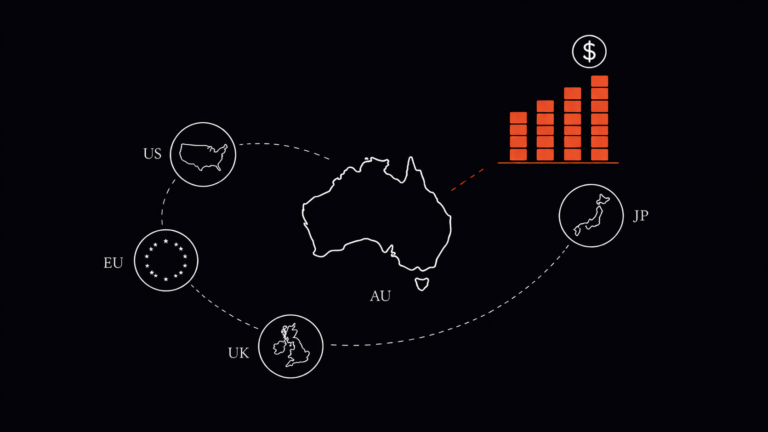
The ABS specifically identified the driver of the beef and lamb price surge: strong overseas demand for Australian red meat. This is a global commodity story, not a supermarket pricing story.
Lamb — A Tightening Supply and Surging Export Demand
Australian lamb prices reached approximately 1,109 cents per kilogram in March 2026 — up 47 per cent year on year, according to Farm Weekly analysis of industry data. This is not primarily driven by domestic conditions. It is driven by a combination of tightening Australian lamb supply and surging export demand from the United States, Europe, Asia, and the Middle East.
On the supply side, Australia’s sheep flock has contracted significantly following two years of difficult seasonal conditions and high slaughter rates in 2024 and 2025. Meat and Livestock Australia projects lamb slaughter will fall approximately 11 per cent in 2026 as producers retain ewes to rebuild flocks — further tightening domestic supply.
On the demand side, the United States is facing a structural protein deficit. The US sheep industry has been in long-term decline, shrinking from 3.6 million head in 2010 to approximately 3 million head in 2025, making the US increasingly reliant on Australian and New Zealand imports. Since December 2025, American demand for Australian lamb lifted so strongly that frozen lamb leg prices rose approximately 61 per cent over just a few months, according to Meat and Livestock Australia data.
The result is that Australian lamb — a product that was largely sold domestically — is now priced in a global market where US buyers are willing to pay significantly more than Australian supermarket customers. When processors can earn more selling overseas, the price of lamb in Australian supermarkets follows global export prices upward.
Beef — Record Production, Still Elevated Prices
Australia’s beef sector is entering 2026 in a strong position. The national cattle herd sits near 31 million head, and beef production is heading toward a record approximately 2.8 million tonnes according to ANZ’s Agri InFocus report. Despite this record supply, Australian beef prices remain elevated at approximately 700 to 750 cents per kilogram for the Eastern Young Cattle Indicator through 2025 — well above pre-2020 levels.
The reason is the same as for lamb: export demand. China’s beef imports surged more than 40 per cent year on year, and the United States — which is rebuilding its own cattle herd from multi-decade lows — remains a major buyer of Australian beef. As ANZ Executive Director Michael Whitehead noted, strong demand from the US and China “continues to underpin Australian prices” despite record-level slaughter volumes.
In short, Australian farmers are producing more beef than ever — but the global market is absorbing it at elevated prices, keeping supermarket costs high for Australian consumers.
Why Chocolate Has Become 6.7% More Expensive
Snacks and confectionery rose 6.7 per cent in the 12 months to February 2026, driven largely by higher prices for chocolate. The ABS specifically cited chocolate as a key driver within this category.
The cause is a global cocoa supply crisis. Cocoa production in West Africa — which accounts for approximately 60 per cent of global supply — was severely affected by weather disruptions and crop disease in 2023 and 2024. Global cocoa prices reached record highs in 2024 and 2025 as a result, and those elevated raw material costs have flowed through to chocolate prices on Australian supermarket shelves with a lag.
Unlike beef and lamb — where Australian farmers produce the product sold in Australian supermarkets — chocolate price increases are almost entirely imported through global commodity markets. Australian consumers have limited exposure to any policy or production intervention that could reduce these costs in the short term.
Why Meals Out Cost 3.7% More
Meals out and takeaway food prices rose 3.7 per cent in the 12 months to February 2026, driven by elevated costs for wages and ingredients. This category tracks the cost of eating at restaurants, cafes, and takeaway outlets.
The primary driver is labour costs. The hospitality sector was one of the most affected by staff shortages following the pandemic, and wage increases across food service workers have been above average. The Fair Work Commission’s minimum wage decisions and enterprise agreement increases have flowed through to the cost of meals served commercially.
Ingredient costs — particularly meat, dairy, and fresh produce — also affect commercial food prices more directly than retail prices, as hospitality businesses have less ability to substitute to cheaper alternatives without changing their menus.
What Is Not Rising Fast — Fruit and Vegetables
Not every food category is experiencing significant inflation. Fruit and vegetables rose just 1.9 per cent in the 12 months to February 2026 — well below overall food inflation of 3.1 per cent and well below the rate for meat.
This reflects more favourable seasonal conditions for domestic fresh produce. In monthly terms, vegetables actually fell 1.6 per cent in February 2026 as tomatoes, capsicums, and cucumbers came into season and prices eased. Fruit rose 1.9 per cent in the same month, driven by higher prices for stone fruits, blueberries, and strawberries.
For households looking to manage grocery costs, the data suggests that shifting protein spending away from beef and lamb toward chicken, eggs, legumes, and canned fish — combined with favouring seasonal fresh vegetables — represents a meaningful budget strategy. Beef and lamb at 13 per cent inflation versus fruit and vegetables at 1.9 per cent illustrates a significant opportunity for food budget management.
The Fuel Price Impact on Food Costs
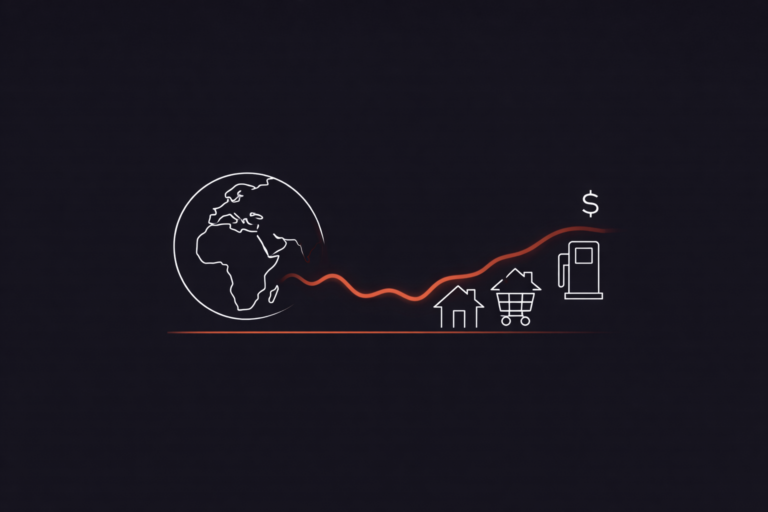
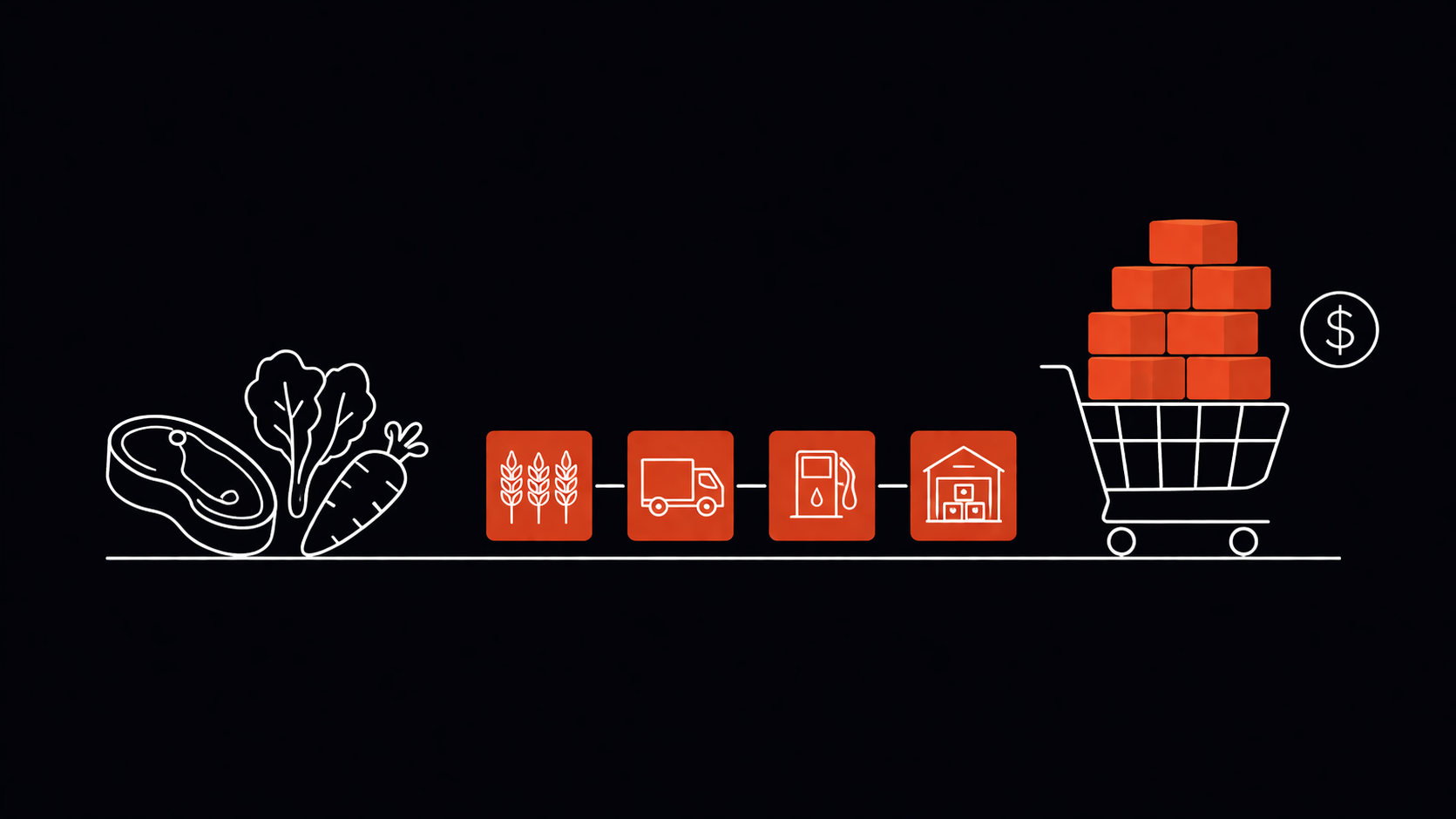
One factor not yet fully visible in the February 2026 food data is the impact of the petrol price spike driven by the Middle East conflict. Fuel costs affect every step of the food supply chain — from the cost of running farm machinery, to refrigerated transport, to supermarket distribution networks. As fuel prices spiked approximately 50 cents per litre across Australia in March 2026, food logistics costs rose with them.
The March CPI — due from the ABS in late April 2026 — will be the first data release to capture the full flow-through of higher fuel costs into food prices. Economists have flagged that food inflation could accelerate further in the March and April data as transport costs rise. For more on the fuel situation, see our Australia’s Petrol Prices in 2026.
Where Food Inflation Stands in 2026
Based on the most recent ABS February 2026 data, overall food inflation is running at 3.1 per cent annually — moderating from previous highs but remaining above the RBA’s 2 to 3 per cent target band. Within that overall figure, the distribution is extreme: beef up 13.5 per cent, lamb up 12.9 per cent, and chocolate up 6.7 per cent — driven by global commodity and export demand factors that domestic policy cannot quickly change.
Fruit and vegetables at 1.9 per cent remain the most affordable part of the grocery basket in relative terms. Whether the broader food inflation picture worsens from here will depend significantly on whether Middle East conflict-driven fuel costs flow through to food logistics, and whether export demand for Australian red meat continues at current levels.
For more on the overall grocery spending picture for Australian households, see our Australia’s Grocery Bill in 2026. For the full cost of living context, see our 5 Things Getting More Expensive in Australia Right Now and our How the Middle East War Is Hitting Australian Household Budgets.
This article is for general informational purposes only and reflects the author’s own research and understanding of publicly available data. It does not constitute financial or dietary advice. Data was accurate at the time of writing — always verify current figures directly with the ABS and Meat and Livestock Australia.