Australia’s Education Costs in 2026 — HECS Debt, University Fees, and School Costs Explained

Education is one of Australia’s largest household expenses — from school fees and uniforms in primary school through to university degrees that can leave graduates carrying debt for a decade. In 2026, two significant government changes have reshaped the HELP debt landscape, even as the underlying cost of education continues to rise.
Here is what the publicly available data shows about education costs in Australia in 2026.
What the ABS Data Shows About Education Inflation
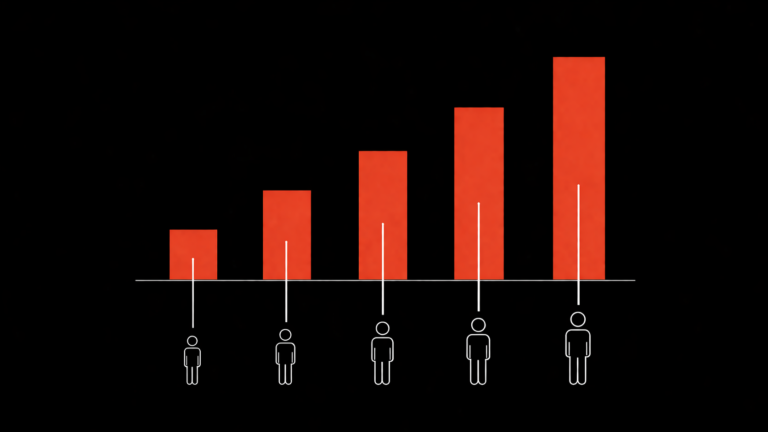
The Australian Bureau of Statistics tracks education as a category within its Consumer Price Index. According to the most recent data for February 2026, the education CPI group rose 4.8 per cent in the 12 months to February 2026 — above both overall CPI inflation of 3.7 per cent and wage growth of 3.4 per cent.
This means education costs are taking a slightly larger share of household income than a year ago for most Australian families.
The 20% HELP Debt Reduction — What Happened and Who Benefited
The most significant education policy change in recent years took effect in 2025. The Albanese Government passed the Universities Accord (Cutting Student Debt by 20%) Act 2025, which applied a one-off 20 per cent reduction to all outstanding HELP debt as at 1 June 2025, before indexation was applied.
According to the Department of Education, this reduction applied automatically — holders of HECS-HELP, FEE-HELP, VET Student Loans, and other HELP loans did not need to do anything. The ATO applied the reductions automatically and sent notifications via myGov, SMS, or email.
Before the reduction, Australia’s total HELP debt outstanding had peaked at more than $81 billion. The 20 per cent cut removed approximately $16 billion from the national student debt pool. For a person with the average outstanding HELP debt of approximately $27,600, the reduction wiped approximately $5,520 from their balance.
HELP Indexation in 2025 and 2026
HELP debts are indexed every year on 1 June. From 2023, the indexation rate is capped at the lower of the Consumer Price Index or the Wage Price Index — meaning debt cannot grow faster than wages. The indexation rate applied on 1 June 2025 was 3.2 per cent, calculated as the lower of CPI and WPI.
For historical context, the indexation rate was 7.1 per cent in June 2023 — before the new capping legislation — which added approximately $1,700 to the average debt in a single year and sparked significant public anger. The government retrospectively reduced the 2023 rate to 3.2 per cent and the 2024 rate from 4.7 per cent to 4.0 per cent as part of the reform package.
New HELP Repayment Rules From July 2025
The government also restructured the HELP repayment system from 1 July 2025, introducing two significant changes according to the Australian Taxation Office:
The minimum repayment income threshold increased from $54,435 to $67,000 for the 2025-26 income year. This means Australians earning $67,000 or less are no longer required to make compulsory HELP repayments.
The repayment system shifted to a marginal basis. Previously, repayments were calculated as a percentage of total income once the threshold was crossed. From July 2025, repayments are calculated only on income above the $67,000 threshold — at a rate of 15 cents per dollar for income between $67,000 and $125,000.
In practical terms, a graduate earning $80,000 per year now makes compulsory repayments of $1,950 per year — compared to $2,800 per year under the old system. The difference of $850 per year flows back to the graduate as take-home pay.
University Fees — What Domestic Students Pay
For domestic students at Australian universities, most study through Commonwealth Supported Places — where the government subsidises the majority of the course cost and students pay a capped contribution. Student contributions for the 2025-26 academic year range from approximately $4,445 to $16,992 per year depending on the discipline, according to Department of Education published rates.
The highest student contributions apply to law, commerce, and social science degrees — which can cost approximately $17,000 per year in student contributions, or approximately nine times the original 1989 HECS contribution of $1,800 in real terms. Nursing, education, and agriculture degrees attract lower contributions of approximately $4,445 per year as part of the government’s national priorities framework.
For domestic students not in Commonwealth Supported Places — including many postgraduate students and those in full-fee positions — annual tuition fees can range from $20,000 to $50,000 per year for some courses.
Approximately 3 million Australians currently carry outstanding HELP debt, with an average balance of approximately $27,600 after the 20 per cent reduction. The average HELP debt takes approximately 9.5 years to repay once a graduate crosses the minimum repayment income threshold.
The Impact on Property and Borrowing
HELP debt affects more than just monthly repayments. Financial advisers consistently note that banks and lenders factor HELP debt into assessments of borrowing capacity. As home prices have risen sharply in recent years, the interaction between HELP repayments and mortgage serviceability has become a practical concern for many younger Australians trying to enter the property market. For the full picture on house prices, see our Australia’s house prices in 2026.
School Education Costs
For families with children in primary and secondary school, education costs extend well beyond tuition fees. A 2026 Cost of Education report by Futurity found that 71 per cent of parents are making sacrifices to afford the cost of education — including buying second-hand uniforms, reducing extracurricular activities, or extending the life of laptops and devices. An increasing proportion of parents — 57 per cent in 2026, up from 52 per cent in 2025 — reported that someone else was helping contribute to education costs, with grandparents now contributing in 11 per cent of cases.
Independent school enrolments increased 18.5 per cent over the five years to 2024, according to ABS data, compared to 6.6 per cent for Catholic schools and just 1.0 per cent for government schools. This shift toward private schooling reflects both preference for perceived quality and the growing availability of fee assistance and scholarships at independent schools.
For public school families, costs still accumulate through uniforms, excursions, camps, devices, stationery, and voluntary school contributions. These costs can range from a few hundred to several thousand dollars per year per child depending on the school and year level.
The Bigger Picture — Education and the Cost of Living
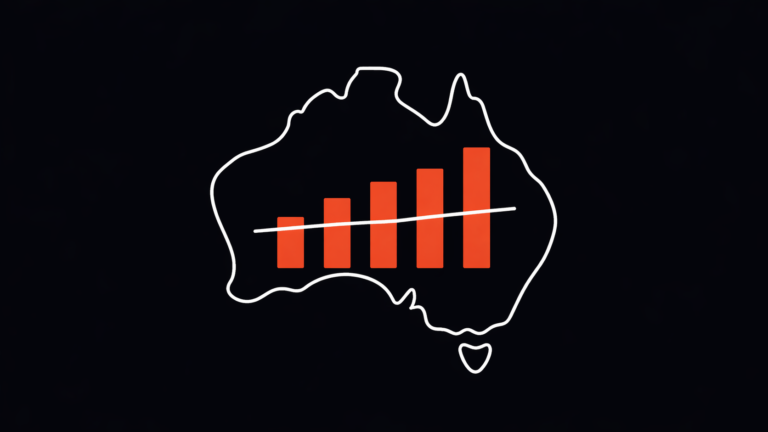
Education cost inflation of 4.8 per cent annually sits above both overall CPI of 3.7 per cent and wage growth of 3.4 per cent — meaning education is taking a growing share of household income. For families with children at multiple schools and a graduate still repaying HELP debt, the combined education cost burden is substantial.
The government’s 2025 reforms — the 20 per cent debt reduction, the higher repayment threshold, and the shift to marginal repayments — have meaningfully reduced the burden for HELP holders. But concern about student debt is still influencing university attendance decisions for approximately 40 per cent of Year 12 students, according to research by the Universities Admissions Centre.
For more on how education costs fit into the broader household budget picture, see our 5 things getting more expensive in Australia and our coverage of superannuation and retirement planning.
This article is for general informational purposes only and reflects the author’s own research and understanding of publicly available data. It does not constitute financial or educational advice. HELP debt rules, thresholds, and repayment rates are updated annually — always verify current figures directly with the ATO, Services Australia, and the Department of Education.