
The rental crisis gripping Australia in 2026 is not a media exaggeration — the data shows a market under serious structural stress, with vacancy rates near historic lows, rents rising well above wage growth in most capitals, and social housing waitlists stretching into years. This article breaks down what the numbers actually say, why the crisis developed, and who is bearing the heaviest cost.
Why the Rental Market Is in Crisis: The Core Data
Three numbers tell the story:
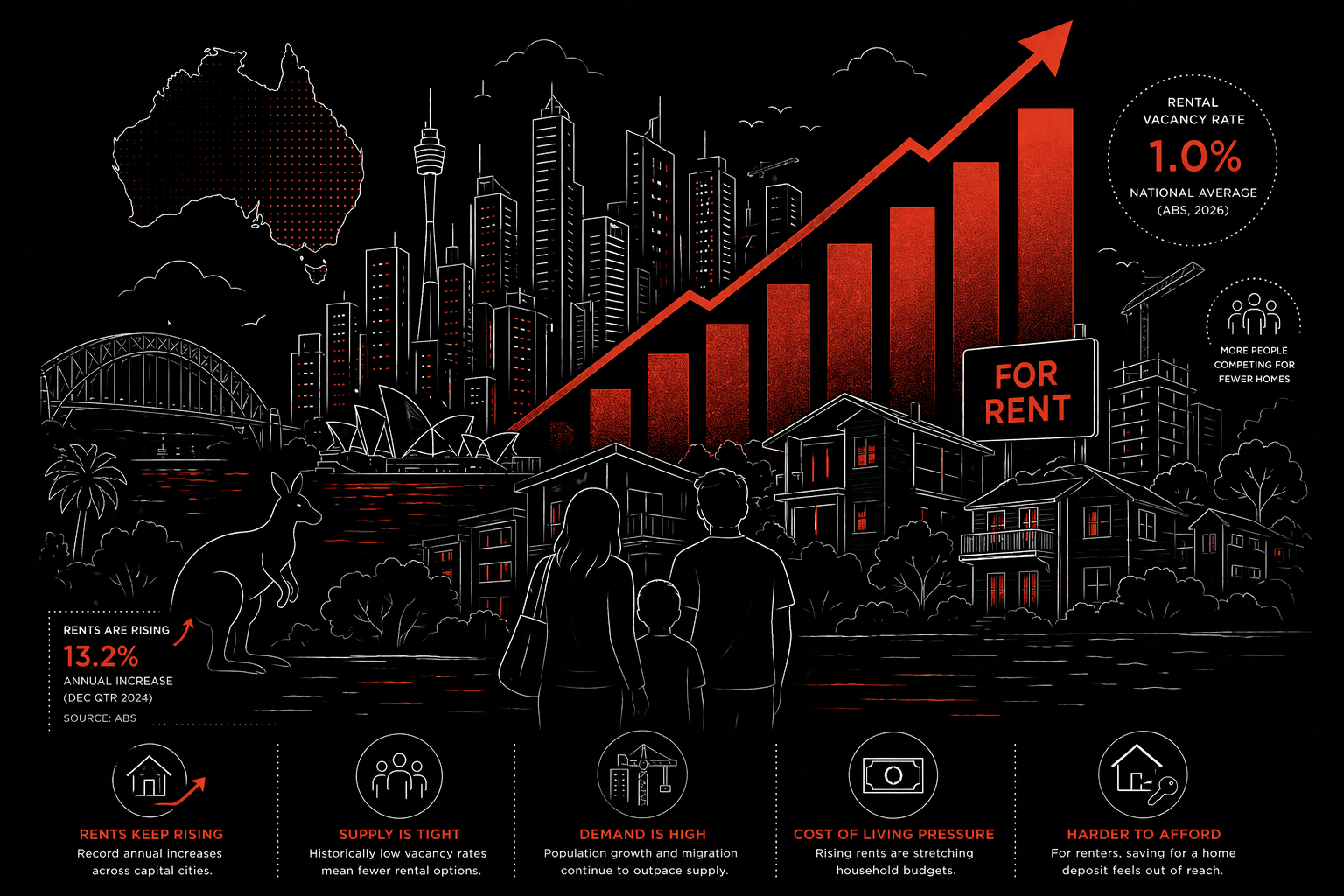
- Vacancy rates have been sitting at or below 1% nationally — a level that gives renters almost no negotiating power and landlords near-complete leverage at renewal
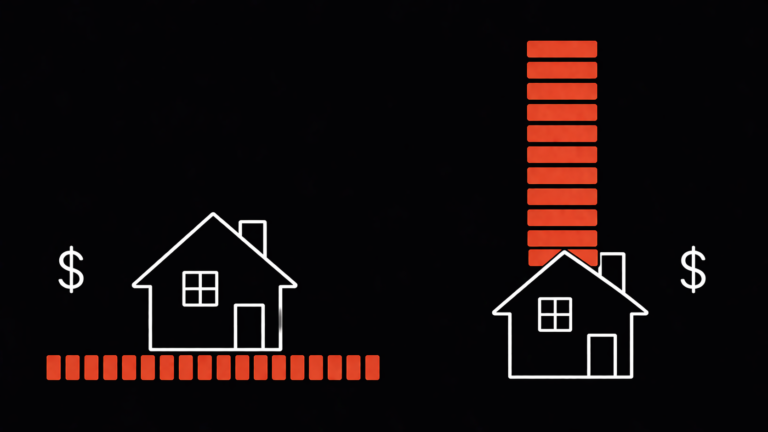
- Rents have grown faster than wages in most capital cities over the past two to three years, compressing household budgets
- Net overseas migration hit a record high of approximately 547,000 in the 2022–23 financial year, according to ABS population data, adding demand to a supply pipeline that was already under pressure
These three dynamics did not emerge at once. They converged after a sequence of shocks — COVID-related construction disruption, the post-pandemic migration surge, rising interest rates, and decades of insufficient social housing investment — and the result is a market that is structurally tight in a way that will not resolve quickly.
What Vacancy Rates Actually Mean for Renters
A vacancy rate measures the proportion of rental properties currently unoccupied and available for rent. Property markets generally consider a vacancy rate of around 3% to be balanced — enough supply that renters have real choices and landlords face genuine competition.
When vacancy falls below 2%, the market tilts heavily in favour of landlords. Below 1%, renters in most areas are effectively competing against each other for whatever becomes available, with limited ability to negotiate on price, lease terms, or property condition.
Australia’s national vacancy rate fell sharply from 2021 and, as of the most recent available data, remains well below the threshold that would constitute a balanced market in most capital cities. Some regional markets that experienced a COVID-era population surge — parts of regional Queensland, northern NSW, and coastal Victoria — have seen only marginal improvement.
Rental Price Growth: What the ABS CPI Shows
The ABS tracks rental price inflation as a component of the Consumer Price Index under the Housing group. The rent component of the CPI has recorded sustained above-average growth over recent years, reflecting the tight vacancy conditions described above.
According to ABS housing data, rents across Australia’s capital cities have risen significantly since 2022. The pace of growth has been uneven across cities and dwelling types, but the direction has been consistent: upward, and faster than general inflation in most periods.
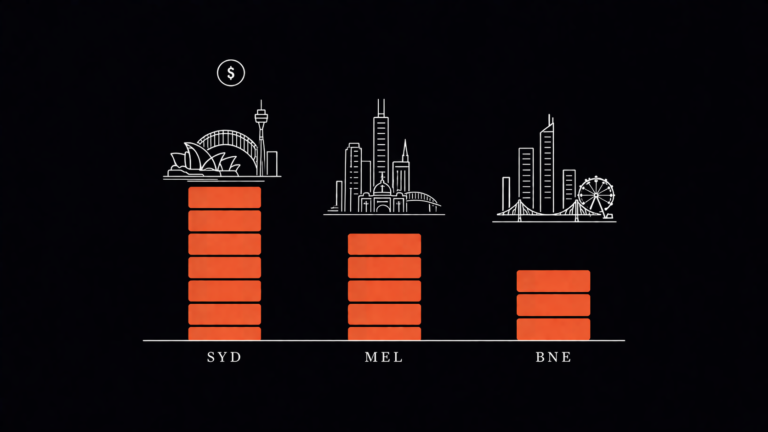
The table below summarises the relative rental market pressure by capital city, based on publicly available vacancy and pricing signals. Specific figures should be verified against the most recent ABS CPI quarterly release.
| Capital City | Rental Market Pressure | Key Driver |
|---|---|---|
| Perth | Very high | Population growth, mining sector demand, low supply |
| Adelaide | Very high | Interstate migration, limited new stock |
| Brisbane | High | Post-COVID migration, infrastructure growth |
| Sydney | High | Overseas migration, high land costs, low vacancy |
| Melbourne | High | Migration recovery, student population returning |
| Hobart | Moderate–high | Short-term rental impact, limited supply |
| Darwin | Moderate | Government and resources sector demand |
| Canberra | Moderate | Public sector stability, some supply improvement |
Based on publicly available vacancy and rental trend data as of most recent available period. Conditions vary significantly by suburb and dwelling type within each city.
The Five Structural Causes of the Crisis
1. Population Growth Outpacing Housing Supply
Australia’s post-pandemic migration recovery was faster and larger than most forecasts anticipated. Net overseas migration reaching approximately 547,000 in 2022–23 placed enormous demand on a housing market that had not built enough dwellings to absorb it.
New housing construction requires land approvals, development approvals, materials, and trades. All of these were constrained simultaneously — approvals processes were slow, building material costs surged, and the construction sector experienced a wave of insolvencies among small and medium builders. The supply pipeline could not respond quickly enough to the demand surge, and the rental market absorbed the pressure directly.
2. Interest Rate Rises Passed Through to Renters
When the RBA raised the cash rate sharply from May 2022, mortgage repayments for investment property owners increased substantially. Many investors with variable-rate loans faced significantly higher holding costs. A portion of that cost increase was passed through to tenants via rent increases at lease renewal — particularly in a market where vacancy was so low that tenants had few alternatives.
The relationship between the RBA’s 2026 rate decisions and rental market outcomes is direct: every increase in borrowing costs that is not absorbed by investors is, in a tight market, effectively transferred to renters.
3. Chronic Undersupply of Social and Affordable Housing
Australia has a long-standing deficit in social housing — government-owned or subsidised rental dwellings for low-income households. Waitlists in most states are measured in years, not months. This means households that would otherwise qualify for social housing are competing in the private rental market, adding demand pressure at the lower end of the price spectrum where it is felt most acutely.
The AIHW’s housing and homelessness data provides the most comprehensive public tracking of social housing demand, waitlist numbers, and homelessness rates in Australia. The data consistently shows that demand for social housing significantly exceeds supply, and that the gap has not materially narrowed in recent years.
4. Short-Term Rental Platforms Removing Stock
Properties listed on short-term rental platforms — primarily Airbnb and Vrbo — are dwellings not available for long-term residential rental. In high-tourism areas such as coastal Queensland, northern NSW, the Gold Coast, and parts of Tasmania, the conversion of properties to short-term rentals has materially reduced the long-term rental stock available to residents.
State governments have taken varying approaches to regulation, from light-touch registration requirements through to caps on the number of nights a property can be listed as a short-term rental. The effectiveness of these interventions in returning stock to the long-term rental market remains, as of the most recent available data, limited.
5. Household Size Has Decreased
This driver receives less attention but is structurally significant. Australians are forming smaller households than in previous decades — more single-person households, more couples without children, and fewer multigenerational living arrangements. More households with fewer people per dwelling means more dwellings are needed to house the same total population.
This trend predates the current crisis and compounds the supply challenge. Building more dwellings addresses the headline shortage but does not resolve the underlying shift in household formation patterns.
Who Is Being Hit the Hardest
Not all renters are equally exposed. The data points consistently to the same groups bearing disproportionate burden.
Low-Income Households
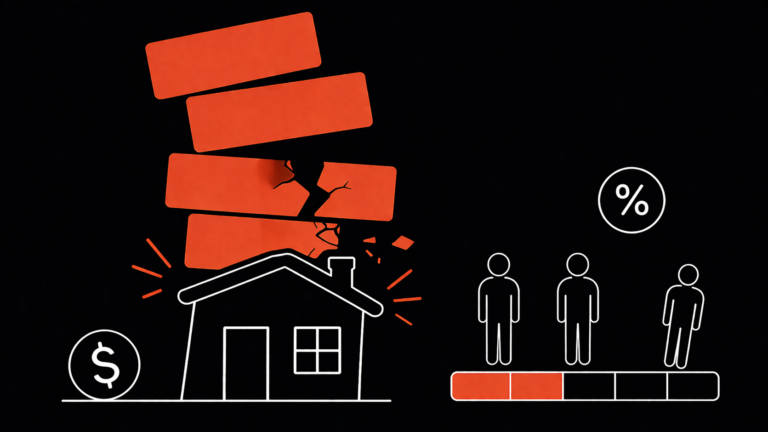
Rental stress is conventionally defined as spending more than 30% of gross household income on rent. At low income levels — welfare recipients, minimum wage workers, part-time or casual employees — this threshold is breached at relatively modest rent levels. When rents rise sharply, low-income households have limited capacity to absorb the increase and no realistic path to ownership as an alternative.
The AIHW tracks financial stress in the context of housing costs. The proportion of low-income private renters in rental stress has been persistently high and has not improved significantly during the current rental market cycle.
Young Australians
Younger Australians who have not yet accumulated savings for a deposit and are not yet established in higher-earning career stages are heavily concentrated in private rental. They are also the demographic most likely to be on fixed-term leases that expose them to full market repricing at renewal. For context on the pathways available to younger Australians looking to exit the rental market, see our breakdown of first home buyer schemes available in 2026.
Recent Migrants and International Students
New arrivals require rental accommodation immediately upon arrival and typically lack the rental history and references that landlords prefer. In a tight market, this places them at a structural disadvantage. International students — whose return drove significant demand recovery in inner-city markets in Melbourne and Sydney — face this challenge acutely, often sharing dwellings in numbers that reflect necessity rather than preference.
Regional Renters
The COVID-era shift of population from capital cities to regional areas created demand surges in rental markets that had thin vacancy to begin with. In some regional cities and coastal towns, rents more than doubled between 2020 and 2023. Unlike capital cities, regional rental markets do not attract the same volume of new supply in response to price signals, making recovery slower.
The Homelessness Dimension
Rental stress and housing insecurity sit on a spectrum that, at its most severe end, leads to homelessness. The AIHW’s homelessness data shows that tight private rental markets directly increase the number of people accessing crisis and emergency accommodation services. When private rental becomes unaffordable and social housing has a multi-year waitlist, households have no buffer.
This is not an abstract policy concern — it has direct measurable consequences in ABS and AIHW data on rough sleeping, overcrowded dwellings, and people couch-surfing or in temporary arrangements that are captured as hidden homelessness.
What Is Being Done — And What Is Not Working
Federal and State Government Responses
Housing policy in Australia is primarily a state and territory responsibility, with federal government involvement through funding, immigration settings, and tax policy. Responses to the rental crisis have included:
- Housing Australia Future Fund — a federal government vehicle to fund social and affordable housing construction, though with a contested legislative history and a gradual rollout timeline
- State-level planning reforms — several states have moved to accelerate medium and high-density housing approvals, particularly around train stations and in established suburbs
- Rent assistance increases — the federal government has increased Commonwealth Rent Assistance in recent budgets, though critics argue increases have not kept pace with actual rent growth
For a detailed breakdown of housing-related allocations, see our analysis of what the 2026 federal budget means for households.
What Is Not Working
- Supply is not growing fast enough. New dwelling completions have not matched population growth. Builder insolvencies, planning delays, and infrastructure constraints continue to slow the pipeline.
- Rent caps have not been introduced federally, and economists are divided on their effectiveness — most evidence suggests price controls reduce supply by reducing investment incentives, worsening long-term availability.
- Negative gearing and capital gains tax concessions continue to favour property investment over owner-occupation for investors, a policy setting that shapes the ownership and rental market but remains politically contentious to change.
Rental Crisis vs. Ownership Crisis: They Are Not Separate
The rental crisis and the housing affordability challenge for would-be buyers are the same problem expressed differently. When ownership is unaffordable, more households remain as renters for longer. A larger, more permanently renting population increases demand for rental stock. This reduces vacancy further and puts upward pressure on rents.
The two markets are interconnected and will not be resolved independently. Meaningful improvement in one requires movement in both supply (more dwellings) and demand distribution (more pathways to ownership for those who want it, better social housing for those who cannot afford the private market).
FAQ
What is the rental vacancy rate in Australia in 2026?
The national rental vacancy rate has been sitting at or near 1% for an extended period — well below the approximately 3% level considered a balanced market. Conditions vary by city and region, with Perth and Adelaide among the tightest markets and some capital cities showing marginal improvement from their 2023 lows. Refer to the most recent ABS housing data for the current figure.
What is rental stress and how many Australians are affected?
Rental stress is defined as spending more than 30% of gross household income on rent. The AIHW and ABS both track this measure. Low-income private renters are most affected — a significant proportion of households in the lowest two income quintiles are in rental stress. As of the most recent available data, this remains a widespread and worsening problem.
Why are rents so high in Perth and Adelaide compared to Sydney?
Sydney rents are high in absolute dollar terms but vacancy in Perth and Adelaide tightened more sharply and more recently than in Sydney, where the market had already been expensive for years. Perth’s rental market has been driven by population growth, resources sector employment, and very limited new supply. Adelaide experienced significant interstate migration and similarly constrained supply.
Will rents come down in Australia in 2026?
A significant rent reduction would require either a substantial increase in rental supply, a material reduction in demand (via slower population growth), or both. Neither is forecast to occur at a scale that would produce broad rent reductions in the near term. Marginal vacancy improvements in some markets may slow the rate of rent growth, but a reversal is not indicated by current supply and demand data.
What government help is available for renters under financial stress?
Commonwealth Rent Assistance is available to eligible Centrelink recipients in private rental. State governments offer various bond loan schemes, rental assistance programmes, and emergency housing services. Services Australia administers federal rental support — see servicesaustralia.gov.au for current eligibility and payment rates.
Conclusion
The rental crisis Australia is navigating in 2026 has structural roots — insufficient housing supply, record migration, rising investor costs, and decades of social housing underinvestment — that cannot be resolved by any single policy lever. The data shows the burden falling hardest on low-income households, younger Australians, and those in the most supply-constrained markets. Meaningful improvement requires sustained action on supply at a scale that has not yet been delivered.
This article is for informational purposes only and does not constitute financial, legal, or housing advice. Data is sourced from publicly available Australian government sources and is accurate at time of publication. Please consult a registered professional for advice specific to your situation.