How Much Super Do You Need to Retire Comfortably in Australia in 2026?

This article is for general informational purposes only and does not constitute financial advice. Superannuation decisions are complex and individual circumstances vary significantly. Consult a licensed financial adviser before making any decisions about your superannuation.
The question every working Australian eventually asks is: how much super do I actually need to retire comfortably? In 2026, the answer is higher than it was three years ago — and it depends heavily on one factor most benchmarks gloss over: whether you own your home.
Here is what the current data shows, based on the February 2026 update to the ASFA Retirement Standard — Australia’s official retirement benchmark.
The ASFA Benchmark — February 2026 Update
The Association of Superannuation Funds of Australia (ASFA) updated its Retirement Standard in February 2026 for the first time in three years. The new figures reflect the reality that retirees’ living costs have risen faster than the Age Pension can keep up with.
Comfortable retirement — lump sum required at age 67:
| Situation | Annual income needed | Super balance required |
|---|---|---|
| Single homeowner | $54,840 per year | $630,000 |
| Couple homeowner | $77,375 per year | $730,000 |
Modest retirement — lump sum required at age 67:
| Situation | Annual income needed | Super balance required |
|---|---|---|
| Single homeowner | $35,503 per year | $110,000 |
| Couple homeowner | $52,800 per year | $120,000 |
The previous comfortable benchmarks were $595,000 for singles and $690,000 for couples — both increased in this update. ASFA CEO Mary Delahunty explained the reasoning: retirees’ major expenses — insurance, rates, utilities, healthcare, and food — have been rising faster than general consumer price inflation, meaning the Age Pension covers less of the gap than it used to.
A comfortable retirement by ASFA’s definition is not extravagant. It covers private health insurance, a reliable car, regular dining out, annual domestic holidays, an overseas trip roughly every seven years, and the ability to replace appliances and maintain your home. It is the difference between surviving and genuinely living.
Are You on Track? Age-Based Targets
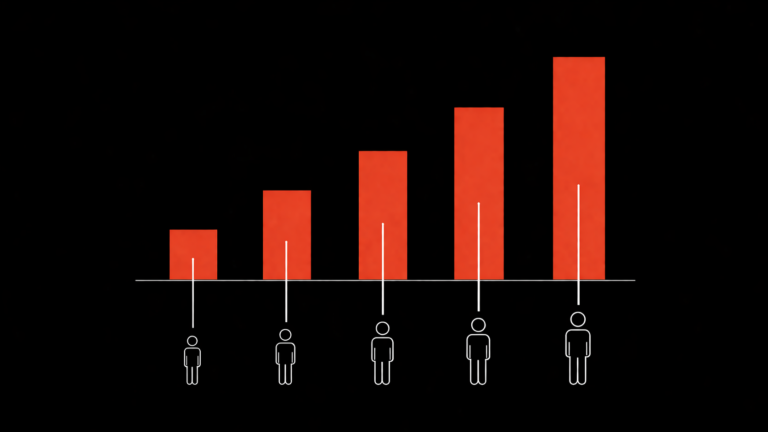
ASFA has published milestone balance targets for different ages, assuming a steady income of around $65,000 per year and a 12% super guarantee:
| Age | Balance needed to be on track for comfortable retirement |
|---|---|
| 30 | $66,500 |
| 40 | $168,000 |
| 50 | $296,000 |
| 65 | $571,000 |
| 67 (retirement) | $630,000 (single) / $730,000 (couple) |
The good news: ASFA head of policy James Koval says a 30-year-old with $30,000 in super today, earning $80,000 throughout their career adjusted for inflation, is on track to retire with approximately $645,000 — above the comfortable benchmark. Super funds have also delivered strong returns: the average balanced fund returned 9.9% in 2023, 11.4% in 2024, and 9.3% in 2025. The 12% Superannuation Guarantee, in place from 1 July 2025, is doing meaningful work over a full career.
For the full picture of what Australians currently have saved, see our superannuation balances guide.
The Critical Assumption — Home Ownership
Every number above carries a crucial caveat that is easy to miss: all ASFA benchmarks assume you own your home outright when you retire.
They do not include rent, mortgage repayments, or major housing costs. If you are renting in retirement, or still carrying a mortgage, the numbers look very different:
| Situation | Super needed (ASFA estimates) |
|---|---|
| Single homeowner — comfortable | $630,000 |
| Single renter — modest | $340,000–$385,000 |
| Single renter — comfortable | Significantly higher |
Super Consumers Australia, an independent consumer advocacy body, estimates a renter requires approximately $659,000 in superannuation — compared with around $322,000 for a homeowner at a medium spending level.
This is a growing problem. Research shows the share of Australians aged 55 to 64 still carrying mortgage debt has tripled since 1990, and the average debt for that age group now exceeds $230,000. More than one in three Millennials expect to retire with a mortgage still running. The rising cost of housing is reshaping retirement planning in ways the ASFA benchmarks do not fully capture. For the full picture of Australian housing costs, see our house prices guide.
The $1 Million Myth
You will often hear that Australians need $1 million to retire. This figure is not supported by the ASFA benchmark or by independent consumer research.
The $1 million figure typically comes from financial planning firms whose business model benefits from people contributing more to super products. Independent analysis from Super Consumers Australia suggests that many homeowners can retire comfortably with significantly less — and that the gap between ASFA’s comfortable benchmark ($630,000) and the consumer-based medium estimate ($322,000) of around $308,000 represents almost entirely lifestyle choice, not necessity.
The Age Pension does substantial work at the lower end. At Super Consumers’ medium spending level, approximately 67% of retirement income comes from the Age Pension, with the remainder drawn from super. The Age Pension in 2026 pays $1,200.90 per fortnight for singles — around $31,200 per year — which covers the majority of essential costs for modest retirees who own their home. For full Centrelink entitlements in retirement, see our Centrelink payments guide.
The Gender Gap in Retirement
Australian women retire with approximately 25% less super than men. Two forces drive this:
- The gender pay gap — currently around 21% — compounds over a full working life into a much larger retirement savings gap
- Women live longer on average, meaning their money needs to stretch further over retirement
The government began paying super on parental leave from 1 July 2025 — a meaningful step forward. But the gap remains significant and will not close quickly.
What You Can Actually Do to Boost Your Super Before Retirement
For most Australians, the difference between a comfortable and modest retirement comes down to a small number of decisions made in the decades before retirement — not the decade of retirement itself. The compounding effect of superannuation means that money added earlier has significantly more impact than money added later.
Salary sacrifice. Contributing additional pre-tax income into superannuation reduces your taxable income and grows your balance faster. Contributions are taxed at 15% inside super — for anyone earning above $45,000, that is lower than their marginal income tax rate. The combined concessional contributions cap for 2025–26 is $30,000 per year, including your employer’s 11.5% compulsory contributions. If your employer contributes $10,000 annually, you can salary sacrifice up to $20,000 more before hitting the cap.
The carry-forward rule. If your total superannuation balance was below $500,000 at 30 June of the previous financial year, you can carry forward unused concessional contribution cap space from the previous five years and use it in a single year. This is particularly useful if you took time out of the workforce — for caregiving, study, or other reasons — and want to catch up.
Spouse contributions. If your spouse earns below $40,000 per year, contributing up to $3,000 into their super entitles you to an 18% tax offset — worth up to $540. This also directly reduces the gender gap in retirement balances that affects many Australian households.
Checking your fund’s fees and investment option. The ATO’s YourSuper comparison tool allows you to compare superannuation funds on fees and long-term returns. A 0.5% difference in annual fees on a $200,000 balance compounds to tens of thousands of dollars over 20 years. Many Australians remain in default MySuper products that may not suit their risk profile or timeline.
None of these steps require a financial adviser to understand — but the right combination for your situation depends on your income, age, existing balance, and employment structure. The ATO’s superannuation tools at ato.gov.au/super are free and a useful starting point.
What the 2026 Rate Environment Means for Retirement Planning
The RBA’s two rate hikes in 2026 — taking the cash rate to 4.10% — have a dual effect on retirement planning. For those approaching retirement with large mortgage debt, higher rates mean greater cash drain before retirement. For retirees with savings in term deposits or conservative investments, higher rates improve returns on defensive holdings.
The deeming rates used to assess Age Pension eligibility have also been updated — the lower rate rising to 1.25% and the upper rate to 3.25%. When deeming rates rise, a retiree’s assessed income can increase even if their actual returns have not, which can reduce their Age Pension entitlement. For those with significant financial assets, this is a meaningful change. For the full picture of how rising rates are affecting Australian households, see our RBA interest rates guide.
Frequently Asked Questions
How much super do I need to retire comfortably in Australia in 2026?
According to the Association of Superannuation Funds of Australia (ASFA), a comfortable retirement for a single person now requires $630,000 at retirement, and $730,000 for a couple — based on the February 2026 update, the first increase in three years. These figures assume you own your home outright and will draw down your balance combined with a part Age Pension. If you are renting in retirement, you will need significantly more.
What age can I access my superannuation in Australia?
Your preservation age — the earliest age you can access super — depends on when you were born. For anyone born after 30 June 1964, the preservation age is 60. You can access super at 60 if you have retired, or at 65 regardless of employment status. Accessing super before preservation age is only permitted in very limited circumstances such as severe financial hardship or a terminal medical condition.
Is the ASFA comfortable retirement figure realistic?
The ASFA benchmark is a useful reference point but it has limitations. It assumes home ownership — which a growing number of Australians approaching retirement do not have. It also assumes a relatively modest lifestyle. The figure does not account for significant health costs, aged care fees, or supporting adult children. Treat the ASFA number as a floor, not a ceiling, particularly if you are renting or have dependants.
What is the superannuation guarantee rate in 2026?
The superannuation guarantee — the compulsory employer contribution rate — is 12% of ordinary time earnings in 2025–26, having increased from 11.5% on 1 July 2025. It is legislated to increase to 12% from 1 July 2026, where it will remain. Check your payslips to confirm you are receiving the correct amount — unpaid super is one of the most common wage theft issues in Australia.
Can I get the Age Pension if I have superannuation?
Yes, but the amount you receive depends on both your assets and your income. The Age Pension assets test and income test both apply. In 2026, a single homeowner can have up to approximately $314,000 in assets and still receive the full Age Pension. Above that threshold, the pension reduces progressively. Having superannuation does not automatically disqualify you — most retirees receive at least a part Age Pension alongside their super drawdown.
Key Takeaways — Comfortable Retirement Super 2026
ASFA’s February 2026 update sets the comfortable retirement benchmark at $630,000 for single homeowners and $730,000 for couples. These figures rose from $595,000 and $690,000 because retirees’ costs are rising faster than the Age Pension can offset. A 30-year-old on $80,000 today is broadly on track to hit the comfortable target at 67. But every benchmark assumes you own your home outright — renters need substantially more. The $1 million figure you often hear is not supported by the official benchmark data. Your actual number depends on your lifestyle expectations, whether you own your home, your health, and how long you live.
For a personalised estimate, the free MoneySmart Retirement Planner is the best starting point.
General information only. This article does not constitute financial advice. Figures sourced from ASFA, ATO, and Services Australia as at 2026. Superannuation rules change regularly — verify current rates and thresholds at ato.gov.au before making decisions. Consult a licensed financial adviser for advice specific to your circumstances.