
The subclass 309/100 partner visa is Australia’s offshore partner visa pathway — designed for the spouse or de facto partner of an Australian citizen, permanent resident, or eligible New Zealand citizen who is living outside Australia at the time of application. It is a two-stage visa: the subclass 309 is a temporary provisional visa that allows you to move to Australia, and the subclass 100 is the permanent residency stage that follows approximately two years later.
Here is a complete guide to the subclass 309/100 offshore partner visa in Australia for 2026, based on publicly available information from the Department of Home Affairs.
What Is the Subclass 309/100 Visa?
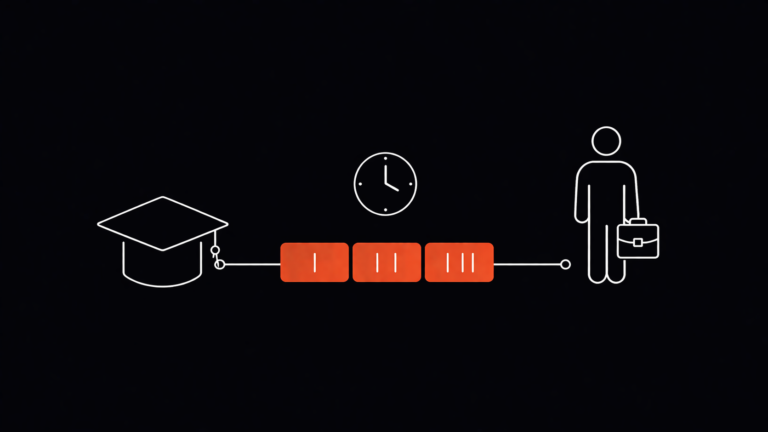
The 309/100 is a combined application — you apply for both stages at the same time using a single application through ImmiAccount. You do not file them separately. The Department of Home Affairs first assesses and grants the subclass 309 (temporary stage), then automatically reassesses you for the subclass 100 (permanent stage) approximately two years after your original application date — without requiring a new application or fee.
Subclass 309 — Provisional (temporary): Allows you to move to Australia and live, work, and study while the permanent stage is processed in the background. You are also eligible to enrol in Medicare from the date you arrive in Australia.
Subclass 100 — Migrant (permanent): Grants permanent residency in Australia. Allows you to live, work, and study indefinitely, sponsor eligible family members, and eventually apply for Australian citizenship once you meet the residency requirements.
The offshore 309/100 pathway differs from the onshore partner visa — the subclass 820/801 — which applies when the applicant is already in Australia at the time of lodgement. If you are currently in Australia, see our subclass 820/801 partner visa guide.
Who Is Eligible?
To apply for the subclass 309/100, both the applicant and the sponsor must meet specific requirements.
Applicant requirements:
- Be outside Australia at the time of lodging the application (the 309 can be granted while you are inside or outside Australia — but you must be offshore when you lodge)
- Be at least 18 years old
- Be the spouse or de facto partner of an eligible Australian sponsor
- Be in a genuine, mutual, exclusive, and continuing relationship
- Meet health requirements — a medical examination conducted by a DHA-approved panel physician is mandatory
- Meet character requirements — police clearance certificates required for every country you have lived in for 12 months or more in the past 10 years
- Have no debt to the Australian Government
- Sign the Australian values statement
De facto relationship — additional requirement:
If you are not legally married, you must have been in your de facto relationship for at least 12 months immediately before lodging the application. Dating time alone does not count — the 12 months must be as a committed couple in a de facto relationship.
The 12-month requirement is waived if your relationship is formally registered with an Australian state or territory. Registration is available in all states and territories except Western Australia and the Northern Territory. If you are in a long-distance relationship, you can still apply — but the evidence bar is higher and you will need to demonstrate that despite the distance, the relationship is genuine with a shared future planned.
There is no mandatory English language test for the subclass 309/100 in 2026.
Same-sex couples are fully eligible. There is no distinction in the application process.
Sponsor Requirements
Your sponsor — the person in Australia who is sponsoring your application — must:
- Be an Australian citizen, Australian permanent resident, or eligible New Zealand citizen
- Be at least 18 years old
- Be approved as a sponsor by the Department — this involves a character and sponsorship history check
- Not have sponsored multiple partners previously (the Department applies limits on how many times a person can sponsor a partner)
- Not be subject to a sponsorship bar from a previous application or family violence order
- Have no history of family violence that would disqualify them from sponsoring
The sponsor must lodge their sponsorship application at the same time as the visa application.
The Four Pillars of Relationship Evidence
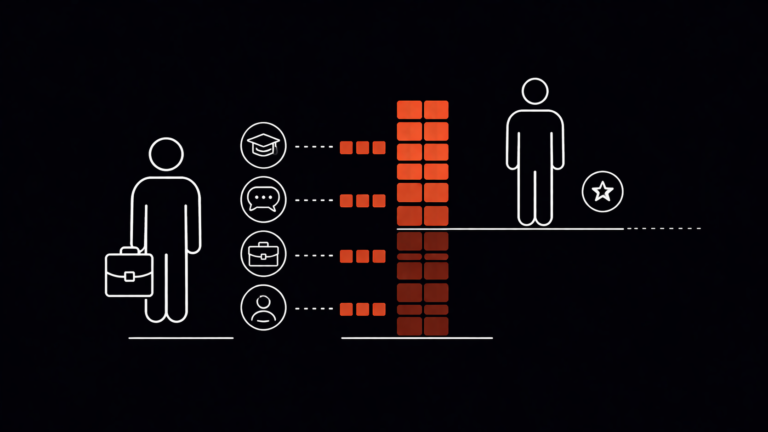
The Department of Home Affairs assesses the genuineness of your relationship across four categories — commonly referred to as the four pillars. You must provide evidence across all four areas:
1. Financial: Joint bank accounts, shared assets, shared household expenses, joint mortgage or lease, evidence that you support each other financially. If finances are kept separate, explain why and provide other compensating evidence.
2. Household: Living arrangements — evidence of shared address (utility bills, lease agreements, mail addressed to both). Shared responsibilities for household tasks. If you have not lived together full-time due to work, study, or other circumstances, explain the situation and provide evidence of the reason.
3. Social: Photos together showing the relationship over time. Evidence that family and friends know about the relationship. Form 888 statutory declarations from people who know you both as a couple. Social media evidence where appropriate.
4. Commitment: Knowledge of each other’s backgrounds, families, and daily lives. Evidence of plans for a shared future — property arrangements, financial planning, discussions about children. Communication records for long-distance periods.
A strong application addresses all four pillars thoroughly and consistently. Inconsistencies between what the applicant and sponsor say about the relationship are a common reason for delays and refusals.
How to Apply — Step by Step
Step 1 — Confirm eligibility Verify that you are outside Australia, that your sponsor is eligible, and that your relationship meets the requirements for either a married or de facto couple.
Step 2 — Gather documents Collect identity documents (passport), marriage certificate or registered relationship certificate, evidence across the four relationship pillars, health examination results, police clearances from all relevant countries, and your sponsor’s identity and citizenship or PR documents.
Step 3 — Complete health examinations Book a medical examination at a DHA-approved panel physician in your country. Budget approximately $300 to $500 AUD for the medical. Results are uploaded directly to the Department.
Step 4 — Create an ImmiAccount Register at immi.homeaffairs.gov.au and create an ImmiAccount. This is the Australian Government’s online visa portal.
Step 5 — Lodge the combined application Submit the combined subclass 309/100 application online through ImmiAccount. Upload all documents, pay the application fee, and have your sponsor submit their sponsorship form at the same time.
Step 6 — Wait for the subclass 309 decision The Department will assess your application and, if satisfied, grant the subclass 309 provisional visa. Once granted, you can travel to Australia and begin your life there.
Step 7 — Subclass 100 assessment Approximately two years after your original application date, the Department will reassess your circumstances for the permanent subclass 100 visa. At this point, you must still be in a genuine and continuing relationship. If everything is in order, the subclass 100 is granted.
Processing Times in 2026
The subclass 309/100 is one of Australia’s slowest processing visas due to the volume of applications and the two-stage structure. Based on current Department of Home Affairs data:
| Stage | 50% of applications | 90% of applications |
|---|---|---|
| Subclass 309 (temporary) | Within 17 months | Within 25 months |
| Subclass 100 (permanent) | Within 9 months of becoming eligible | Varies |
Total realistic timeline: 2 to 4 years from application to permanent residency.
The single most impactful factor in your processing time is submitting a complete, well-documented, decision-ready application from day one. Incomplete applications, missing documents, and inconsistencies are the primary causes of delays. Applications involving children, step-children, health waivers, or character issues take longer.
Direct Permanent Residency — Skipping the Two-Year Wait
Some applicants may be granted the subclass 100 permanent visa directly, without waiting two years, if the relationship is long-term. You may qualify for a direct permanent grant if:
- You have been in a genuine relationship for 3 or more years, OR
- You have been together for 2 or more years and have a dependent child together
If you qualify, the Department may grant both the 309 and 100 in a single assessment, making you a permanent resident immediately without the provisional stage.
Cost — What You Pay in 2026
The base application fee for the subclass 309/100 in the 2025-26 financial year is $9,365 AUD. This single fee covers both the temporary (309) and permanent (100) stages — you do not pay again for the permanent assessment.
Additional costs to budget for:
| Cost | Approximate amount |
|---|---|
| Medical examination | $300–$500 AUD per person |
| Police clearances | Varies by country |
| Document translation (if applicable) | Varies |
| Migration agent fees (optional) | $3,000–$6,000+ depending on complexity |
Total all-in cost including medicals and ancillary expenses is typically $10,000 to $12,000 AUD or more for a straightforward application.
What Happens If the Relationship Ends?
If your relationship ends after you have been granted the subclass 309, you may still be eligible for the subclass 100 permanent visa in certain circumstances:
- Family violence: If the relationship ended because your sponsor subjected you to family violence, you may still be granted the 100 visa. The Department takes family violence claims seriously and has specific processes to assess them.
- Death of sponsor: If your Australian sponsor passes away after the subclass 309 is granted, you may still be eligible for the permanent stage.
- Dependent children: If there are dependent children of the relationship involved, this is also considered.
If none of these apply and the relationship simply ends, the subclass 100 will generally not be granted.
Subclass 309/100 vs Subclass 820/801 — Which One Applies to You?
| Feature | Subclass 309/100 (offshore) | Subclass 820/801 (onshore) |
|---|---|---|
| Where you apply from | Outside Australia | Inside Australia |
| Combined fee | $9,365 | ~$9,095 |
| Temporary stage | Subclass 309 | Subclass 820 |
| Permanent stage | Subclass 100 | Subclass 801 |
| Can you work while waiting? | Yes, once 309 is granted | Yes, once 820 is granted |
| Total timeline | 2–4 years | 2–4 years |
The pathway you use depends entirely on where you are located at the time of application — not on preference. If you are outside Australia, you use the 309/100. If you are inside Australia on a valid visa, you use the 820/801.
Key Takeaways — Subclass 309/100 Partner Visa Australia 2026
The subclass 309/100 is the offshore partner visa pathway for spouses and de facto partners of Australian citizens and permanent residents living outside Australia. You apply for both stages together for $9,365. The subclass 309 temporary visa is granted first — typically within 14 to 26 months — then the permanent subclass 100 follows approximately 2 years later. Total timeline is realistically 2 to 4 years. De facto couples must show 12 months of relationship before applying unless the relationship is registered. Strong relationship evidence across the four pillars — financial, household, social, and commitment — is the single most important factor in a successful application.
For context on the broader Australian migration program and other visa pathways, see our Australia migration program guide. For those in Australia on employer-sponsored visas and considering a partner visa, see our subclass 482 visa guide.
This article is for general informational purposes only and reflects the author’s own research and understanding of publicly available information from the Department of Home Affairs. Visa requirements, fees, and processing times change regularly. Always verify current requirements at immi.homeaffairs.gov.au or through a registered migration agent.