Geelong Refinery Fire 2026: What It Means for Petrol Prices

The Geelong refinery fire that broke out overnight on 15 April has hit one of Australia’s only two oil refineries — right in the middle of an already serious fuel crisis.
Emergency services were called to Viva Energy’s Corio facility around 11pm after reports of explosions. A gas leak triggered the blast, forcing workers to evacuate before the fire intensified. As of Thursday morning, damage to the site was still being assessed.
For Australian motorists, the timing could not be worse.
Why This Refinery Matters
The Geelong refinery supplies more than half of Victoria’s fuel and around 10 per cent of the nation’s total supply. Australia has just two operating oil refineries. There is no domestic backup.
Viva Energy CEO Scott Wyatt confirmed the fire damaged the motor gasoline production unit. The refinery is now running at minimum rates. Petrol production has been impacted. Diesel and jet fuel have been reduced as a precaution.
Where Petrol Prices Stand Right Now
Before this fire, prices were already elevated due to the Middle East conflict.
| Fuel Type | National Average (Early April 2026) | Pre-Conflict (Jan 2026) |
|---|---|---|
| Unleaded 91 | ~231c/litre | ~165c/litre |
| Diesel | ~295c/litre | ~190c/litre |
| Premium 98 | ~248c/litre | ~178c/litre |
Source: ACCC Weekly Fuel Price Monitoring, April 2026
Prices remain well above the $1.60–$1.80 range Australians were paying at the start of the year, even after the federal government halved the fuel excise to 26.3 cents per litre from 1 April 2026.
For a full state-by-state breakdown of what you’re paying at the bowser right now, see our petrol prices tracker for April 2026.
What Could Happen to Prices This Week
A domestic refinery outage on top of a global supply shock creates layered pressure:
- Victoria hit first — with 50%+ of its fuel from Geelong, Melbourne faces the most immediate risk of localised shortages and price rises
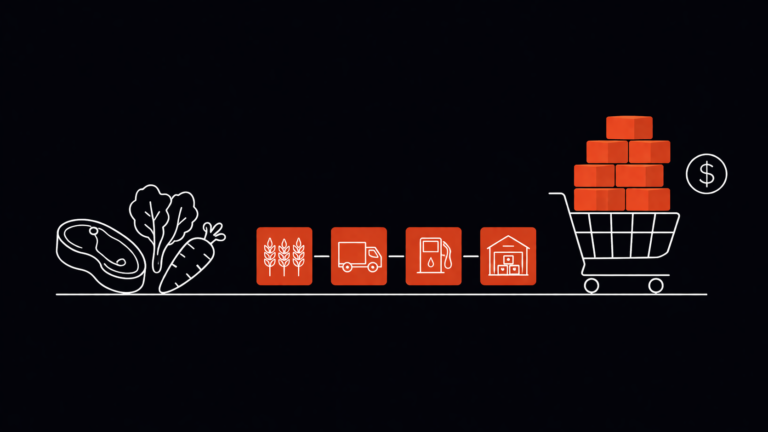
- Diesel is the bigger worry — it powers freight and agriculture, meaning higher grocery and delivery costs follow within weeks
- The excise cut expires 30 June — unless extended, 26.3 cents per litre returns to the retail price overnight on 1 July, just as domestic supply may still be recovering
The IMF this week warned Australia is projected to have one of the highest inflation rates among advanced economies in 2026, at 4 per cent, driven largely by energy supply disruptions. This fire adds direct domestic pressure to that already grim forecast.
The RBA’s February 2026 Statement on Monetary Policy noted that fuel remains a key volatile input to headline inflation — meaning this event will be on the Board’s radar ahead of its next meeting.
FAQ
Will petrol prices rise immediately because of the Geelong fire?
Victoria is most exposed, given Geelong supplies over half its fuel. Nationally, existing stocks provide a short-term buffer, but a sustained outage will flow through to prices within one to two weeks.
Which fuels are affected by the refinery fire?
Petrol (mogas) production has been directly impacted. Diesel and jet fuel have been reduced as a precaution.
Is there a risk of fuel shortages?
Australia’s strategic reserves offer only weeks of cover under normal demand. The government released 20% of reserves during the February–March price spike. A prolonged outage would likely prompt a further government response.
Does the fuel excise cut still apply?
Yes — the halved excise of 26.3 cents per litre remains in place until 30 June 2026. Whether it gets extended in light of this fire is now a live political question.
Where can I track petrol prices near me?
The ACCC publishes weekly fuel price monitoring updates by city and region. State-based tools like FuelCheck (NSW) and MyFuel NT also provide real-time data.
The Bottom Line
Australia was already navigating its worst fuel price shock in years. A fire at the Geelong refinery — one of just two domestic production facilities — removes a critical buffer at the worst possible moment. Watch diesel and Victoria prices closely this week. The broader inflation impact will take longer to measure, but the direction is clear.
For current petrol prices by state, see Petrol Prices Australia 2026.
This article is for informational purposes only and does not constitute financial, legal, or investment advice. Data is sourced from publicly available Australian government sources and is accurate at time of publication. Please consult a registered professional for advice specific to your situation.