Solar Power Savings Australia 2026 — Your Electricity Bill Just Jumped 37%. Here’s What the Numbers Say About Going Solar.

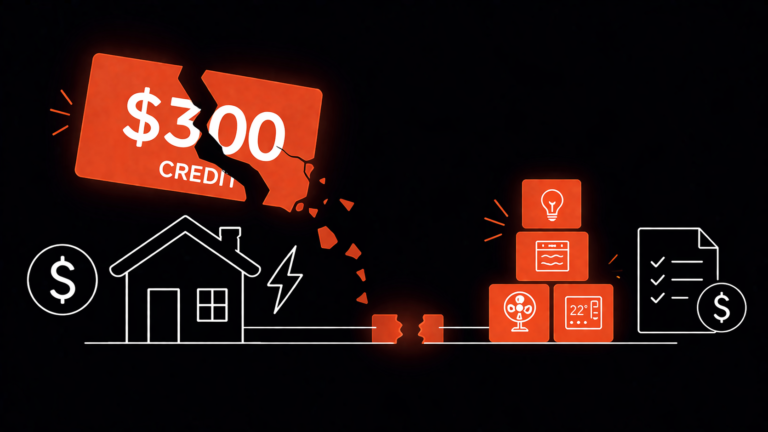
Australian electricity bills jumped 37 per cent in the year to February 2026, according to the ABS. The main reason is the expiry of government energy rebates — but the underlying electricity price also rose 4.9 per cent on top of that. For millions of households staring at bills that are genuinely higher than they were two years ago, the question of whether solar is worth it has moved from curiosity to urgency.
Here is what the data actually shows about solar power savings in Australia in 2026.
The Short Answer — Solar Pays Itself Back in 3 to 6 Years
A standard 6.6kW solar system — the most popular residential size in Australia — costs between $5,000 and $8,500 fully installed after the federal Small-scale Technology Certificate (STC) rebate in 2026. The average installed price is approximately $6,120.
At current electricity rates, that system saves the typical Australian household between $1,500 and $2,500 per year on electricity bills.
That means most households recover their investment in 3 to 6 years — and then receive effectively free electricity for the remaining 20-plus years of the system’s 25-year warranty life.
Over 25 years, the total savings from a well-maintained solar system typically reach $30,000 to $50,000 in avoided energy costs.
Why 2026 Is a Better Year to Install Than 2027
The federal STC rebate scheme — which is automatically applied as a point-of-sale discount by your installer — is phasing out. Each 1 January, the deeming period drops by one year, reducing your rebate entitlement.
As of 1 January 2026, the deeming period dropped from 6 years to 5 years — immediately reducing rebate values by approximately 15 to 20 per cent compared to 2025.
In practical terms: waiting one more year costs approximately $500 to $600 more on a standard 6.6kW system, because you receive fewer STCs and therefore a smaller upfront discount.
The scheme ends entirely on 31 December 2030. Each year that passes brings you closer to paying the full unsubsidised price. The common advice of “wait for prices to drop” no longer applies — net costs are actually creeping up each year as the rebate shrinks faster than panel prices fall.
For a typical 6.6kW system, the STC rebate currently delivers $2,000 to $3,000 off the upfront cost. STCs trade at approximately $37 to $40 each — your installer handles all the paperwork and simply gives you the discount at the point of sale.
Payback Periods by City — Where Solar Pays Back Fastest
Payback periods vary by city primarily due to electricity rates, solar irradiance, and feed-in tariff levels. Based on iSelect’s Solar Payback Report and 2026 industry data:
| City | Payback period (6.6kW system) |
|---|---|
| Perth | ~3 years 8 months — fastest |
| Adelaide | 3 to 4 years |
| Sydney | 3.5 to 5 years |
| Brisbane | 3.5 to 5 years |
| Melbourne | 4 to 5.5 years |
| Hobart | 5 to 6 years |
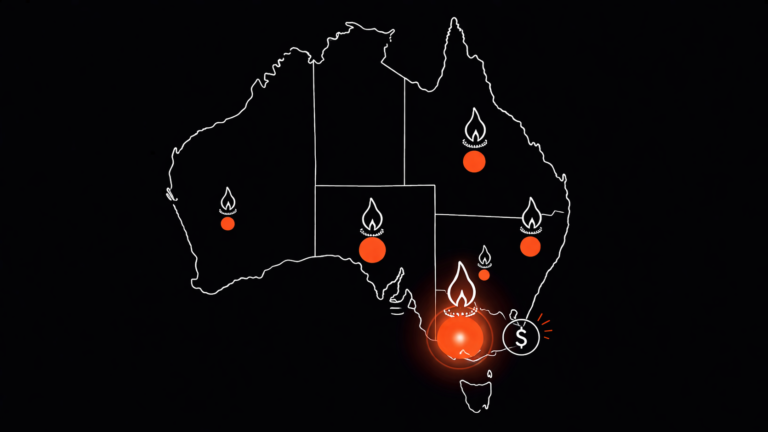
Perth leads because it combines relatively low system installation costs, high electricity rates, and strong solar irradiance. Adelaide follows because SA has Australia’s highest electricity rate at 45.15 cents per kilowatt-hour — making every kilowatt-hour generated by your own solar panels worth more than anywhere else.
Even Melbourne and Hobart — which get less sunshine than northern Australia — deliver strong returns well within the system’s warranty period.
The Most Important Number — Self-Consumption vs Export
This is the insight that most solar articles miss, and it is the key to maximising your return in 2026.
Every kilowatt-hour you use directly from your solar panels saves you 35 to 45 cents — that is the retail electricity rate you would have paid.
Every kilowatt-hour you export to the grid earns you 3 to 7 cents — the feed-in tariff your retailer pays.
Self-consumption is 5 to 10 times more valuable than exporting. Yet many households still export the majority of their solar generation because nobody is home during the day to use it.
Feed-in tariffs have dropped sharply in recent years. In NSW the current average feed-in tariff is 3.67 cents per kWh. In SA it is 2.33 cents per kWh. The era of high feed-in tariffs that made exporting profitable is over.
The practical implication: The way to maximise solar savings in 2026 is not to find the highest feed-in tariff. It is to maximise how much of your solar power you use yourself — by running appliances during daylight hours.
Simple strategies that dramatically increase self-consumption:
- Set your dishwasher and washing machine to run at midday using delayed start timers
- Run your pool pump during solar hours rather than overnight
- Charge electric vehicles during the day
- Pre-cool or pre-heat your home in the early afternoon before the sun goes down
- Use a smart home device or solar monitoring app to shift loads automatically
A household that self-consumes 55 to 70 per cent of its solar generation will see substantially better returns than one that exports 80 per cent and relies on a feed-in tariff.
What Does a 6.6kW Solar System Actually Save You?
Annual savings from a 6.6kW system based on iSelect payback research and Clean Energy Council data:
| City | Annual savings estimate |
|---|---|
| Darwin | ~$1,919 |
| Perth | ~$1,800 — $2,200 |
| Sydney | ~$1,326 — $1,800 |
| Brisbane | ~$1,245 — $1,600 |
| Melbourne | ~$888 — $1,400 |
These figures assume a household with mid-range energy usage — approximately 20 kilowatt-hours per day. Higher usage households save more. Lower usage households save less.
With electricity bills rising and likely to continue rising, these savings figures improve every year. Each time your electricity retailer increases the usage rate, the value of every kilowatt-hour your solar system generates increases proportionally.
What About Batteries?
Adding a battery to your solar system allows you to store excess daytime generation and use it in the evening instead of buying expensive grid power. The economics have improved significantly but still require careful assessment.
Battery costs in 2026: A standard 10 to 13.5 kilowatt-hour battery costs approximately $8,000 to $15,000 installed, with the average coming in around $11,227 including national rebates.
Battery payback: Typically 6 to 12 years depending on electricity rates, usage patterns, and whether you access state rebates or Virtual Power Plant (VPP) programs.
The Cheaper Home Batteries Program — the federal government’s battery incentive — provides approximately 30 per cent off eligible battery systems. For a 10kWh battery, that is approximately $3,300 off the installed price. The program runs through 2030.
The honest verdict on batteries: For households where the gap between the retail electricity rate and the feed-in tariff is large — which is most of Australia in 2026 — batteries make financial sense if your electricity rate is above 35 cents per kWh and your feed-in tariff is below 5 cents per kWh. For pure financial return, solar panels alone offer a much faster payback. Batteries add value primarily for households that want energy independence, backup power during outages, or maximum self-consumption.
State Rebates on Top of the Federal STC
Beyond the federal STC rebate, several states offer additional incentives:
Victoria: The Solar Homes Program provides a rebate of up to $1,400 for eligible households installing solar panels. Victoria also offers interest-free loans for solar and battery systems.
ACT: The Home Energy Support Program provides up to 50 per cent off the installation cost, capped at $2,500, for eligible concession cardholders.
South Australia: The Retailer Energy Productivity Scheme (REPS) provides additional discounts through participating retailers.
NSW: No state-specific solar panel rebate but offers the Peak Demand Reduction Scheme for battery systems and VPP incentives.
The combination of federal STCs and state rebates can reduce total system costs by 30 to 50 per cent for eligible households. Always verify current state rebate availability with your state government or a Clean Energy Council accredited installer before making decisions.
Is Solar Still Worth It in 2026?
Yes — and the case is stronger now than it was two years ago, for three reasons.
Electricity prices keep rising. The ABS recorded a 37 per cent jump in out-of-pocket electricity costs to February 2026. Even stripping out the rebate effect, underlying electricity prices rose 4.9 per cent. Every price increase by your retailer improves the return on your solar investment retrospectively.
Panel costs have stabilised. After years of dramatic price falls, solar panel manufacturing costs have largely reached their floor. Waiting for panels to get cheaper is no longer a reliable strategy — and the shrinking STC rebate means the net cost is actually rising for those who delay.
Payback periods are among the shortest they have ever been. The Clean Energy Regulator put the average payback time at around 3.5 years nationally in recent analysis. At that pace, the typical household is essentially getting 21 years of free electricity after payback on a 25-year warranted system.
The one caveat: quality matters. A system that costs $1,500 more upfront but uses Tier 1 panels and a reputable installer will almost always deliver better returns over 25 years than the cheapest quote you can find. Choose based on value rather than just price.
For the full picture of what is driving Australian energy costs, see our electricity prices guide — Australia’s Electricity Bills in 2026 — What the ABS Data Actually Shows — and our energy rebates guide for a full breakdown of what government relief is still available before it phases out.
This article is for general informational purposes only and reflects the author’s own research and understanding of publicly available data. Solar savings, payback periods, and rebate values vary significantly by location, system size, household usage, and installer. Always obtain multiple quotes from Clean Energy Council accredited installers and verify current rebate availability before making investment decisions.