Australia Confirms Migration Program 2026 — 185,000 Cap and Major Visa Changes

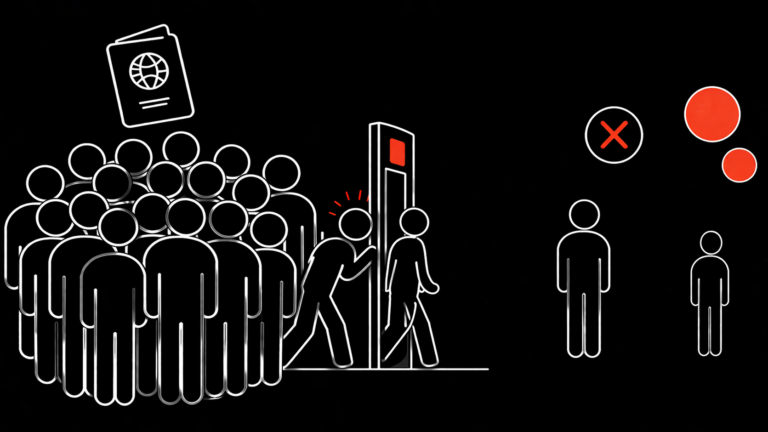
Australia’s migration intake shapes the economy, population growth, and housing demand. Yet public debate often runs ahead of the actual data. The 2026 migration program has been cut significantly — but what does that mean for visa applicants, skills shortages, and permanent versus temporary balances?
Here is what the publicly available data shows about Australia’s migration program in 2026.
The 2026 Migration Program Planning Level
The Australian Government sets an annual planning level for the Migration Program — the number of permanent visas it intends to grant. This is not a target but a ceiling, and actual grants often fall below the planning level.
For the 2025-26 financial year, the Department of Home Affairs migration program has a planning level of 185,000 places. This represents a 30,000 reduction from the 215,000 planning level in 2024-25.
The breakdown by visa category:
| Visa Category | 2025-26 Planning Level | 2024-25 Planning Level | Change |
|---|---|---|---|
| Skill Stream | 132,200 | 142,400 | -10,200 |
| Family Stream | 52,000 | 52,000 | 0 |
| Special Eligibility | 800 | 800 | 0 |
| Total | 185,000 | 215,000 | -30,000 |
Source: Department of Home Affairs Migration Program 2025-26
The Skill Stream — which includes employer-sponsored visas, independent skilled visas, and state-nominated visas — bears the entire reduction. This reflects government priorities to reduce net migration while maintaining pathways for workers in shortage occupations.
Actual Visa Grants vs. Planning Levels
Planning levels are aspirational. Actual grants depend on applications received, processing capacity, and policy changes mid-year.
According to Home Affairs quarterly reports, actual permanent visa grants for the first two quarters of 2025-26 totaled 78,400 — on track for approximately 165,000 for the full year. This would be 20,000 below the planning level and the lowest actual intake since 2021.
The undershoot reflects several factors:
Reduced Applications: Skilled visa applications fell 18% in 2025 compared to 2024, according to Department of Home Affairs statistics. Higher English language requirements, increased fees, and longer processing times have deterred some applicants.
Processing Backlogs: The department carries a backlog of approximately 420,000 visa applications across all categories. While this represents temporary and permanent visas combined, the queue length affects processing times for new skilled migration applications.
Policy Tightening: The “Genuine Student Test” introduced in late 2025 reduced student visa applications by an estimated 25%, according to Department of Education data. Some of these applicants would have transitioned to permanent visas — reducing the skilled pipeline. This affects sectors that rely on international students, including education and childcare services.
Temporary Visas: The Larger Intake
Permanent migration gets more attention, but temporary visas represent the larger flow. Australia issued approximately 2.8 million temporary visas in 2025 — including student visas, working holiday visas, temporary skill shortage visas, and visitor visas with work rights.
The temporary visa breakdown for 2025:
| Visa Type | Visas Granted (2025) | YoY Change |
|---|---|---|
| Student Visas (500) | 585,000 | -22% |
| Working Holiday (417/462) | 245,000 | +8% |
| Temporary Skill Shortage (482) | 89,000 | +12% |
| Graduate Visa (485) | 67,000 | -15% |
| Partner Temporary (820/309) | 42,000 | +3% |
| Other Temporary | 1,772,000 | +5% |
Source: Department of Home Affairs Visa Statistics 2025
Student visas — historically the largest temporary category — declined sharply following the Genuine Student Test reforms. However, Temporary Skill Shortage (482) visas increased 12%, reflecting employer demand in shortage occupations.
The net effect: Australia’s temporary visa population remains near record highs despite student visa reductions. Working holiday makers and temporary skilled workers are filling the gap.
Skills Shortages: What Occupations Are Actually in Demand?
The Migration Program’s Skill Stream prioritizes occupations on the Skilled Occupation List (SOL). But which occupations are actually experiencing shortages — and which visas are filling them?
According to the Department of Employment’s Skills Priority List 2025:
Occupations with National Shortage:
- Registered Nurses (all specialisations)
- General Practitioners and Resident Medical Officers
- Secondary School Teachers
- Early Childhood Teachers
- Electricians
- Plumbers
- Carpentry and Joinery workers
- Automotive Electricians
- Diesel Motor Mechanics
- Cooks and Chefs
Employer-Sponsored Visa Data:
The 482 Temporary Skill Shortage visa grants by occupation show which roles employers are actually sponsoring:
| Occupation | 482 Visas Granted (2025) | % of Total |
|---|---|---|
| Information Technology | 18,500 | 21% |
| Healthcare | 14,200 | 16% |
| Engineering | 11,800 | 13% |
| Hospitality/Chefs | 9,400 | 11% |
| Trades | 8,600 | 10% |
| Education | 5,200 | 6% |
| Other | 21,300 | 23% |
IT professionals remain the largest group of sponsored workers — despite not appearing on the official national shortage list in all specialisations. Healthcare and engineering follow, consistent with shortage designations.
State Nomination: Where States Are Setting Priorities
States and territories nominate skilled workers through the 190 (State Nominated) and 491 (Regional) visa pathways. Each state publishes its own occupation priorities based on local labour market needs.
For 2025-26, state nomination priorities include:
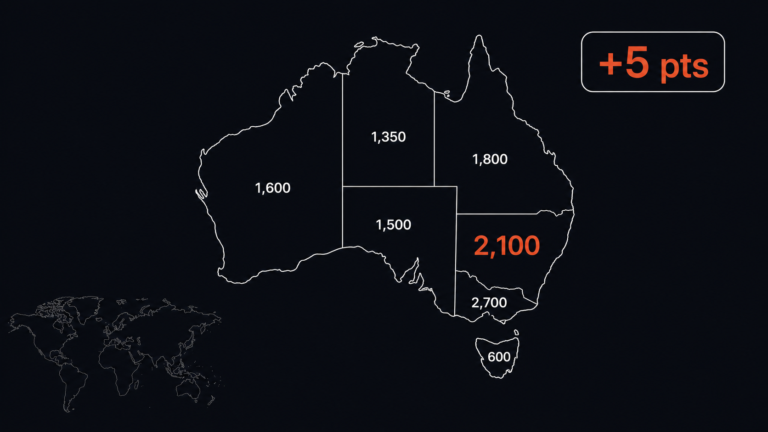
New South Wales: Healthcare, education, technology, and advanced manufacturing. NSW nominated 12,400 skilled workers in 2025.
Victoria: Healthcare, education, construction, and clean economy industries. Victoria nominated 9,800 skilled workers in 2025.
Queensland: Healthcare, renewable energy, tourism, and regional occupations. Queensland nominated 7,200 skilled workers in 2025.
Western Australia: Mining, engineering, healthcare, and trades. WA nominated 5,100 skilled workers in 2025.
South Australia: Advanced manufacturing, defence, wine industry, and regional healthcare. SA nominated 3,400 skilled workers in 2025.
State nomination data shows regional states are prioritizing industry-specific skills — WA mining, SA defence manufacturing, Queensland renewables — while NSW and Victoria focus on professional services and healthcare.
Net Migration and Population Growth
Migration drives Australian population growth. Natural increase (births minus deaths) accounts for approximately 50% of growth, with net overseas migration contributing the remainder.
According to ABS Overseas Migration data:
- Australia’s population grew by 2.4% in 2025 — approximately 620,000 people
- Net overseas migration contributed 385,000 to population growth
- Natural increase contributed 235,000 to population growth
The 385,000 net migration figure includes permanent visas, temporary visas, and net Australian citizen movements. This represents a decline from the 518,000 net migration peak in 2023 — but remains above historical averages.
Net Migration by Visa Category:
Not all visa holders contribute equally to net migration. Temporary visa holders who depart Australia reduce net migration, while permanent visa holders and temporary holders who remain increase it.
The ABS estimates that approximately 65% of 2025 net migration came from permanent visa holders, 25% from temporary visa holders who remained in Australia, and 10% from Australian citizen movements.
Migration and Housing Demand — What the Data Shows
Migration affects housing demand — but the relationship is more complex than “more migrants = higher house prices.”
Permanent Migrants: Typically rent initially, then transition to home ownership over 5-10 years. According to ABS Census data, recent migrant households have home ownership rates of 35% within 5 years of arrival, rising to 55% within 10 years.
Temporary Migrants: Overwhelmingly renters. Student visa holders typically share accommodation in inner suburbs. Temporary skilled workers often rent family homes in middle suburbs. Working holiday makers concentrate in CBD short-term rentals.
Regional Distribution: Migrants are not evenly distributed. Sydney and Melbourne receive approximately 60% of permanent migrants, according to Home Affairs settlement data. This concentrates housing demand in already tight rental markets — contributing to the rental price pressures and house price increases seen across both cities.
The Reserve Bank of Australia noted in March 2026 that migration contributes to rental demand but is “one of several factors” — alongside domestic population movement, short-term rental platforms, and construction shortfalls. The RBA’s interest rate decisions also affect migration outcomes, as higher rates reduce investor activity and rental supply.
What the Data Suggests About 2026-27
Based on current policy settings and application pipelines:
Permanent Migration: Expected to remain around 160,000-180,000 annually — below planning levels but stable. The government has signaled no intention to increase the 185,000 ceiling before 2027.
Temporary Migration: Student visas will remain below 2024 peaks due to Genuine Student Test requirements. Temporary skilled visas (482) will likely grow 10-15% annually, reflecting employer demand.
Skills Shortages: Healthcare, education, and trades will remain priority occupations. IT sponsorship may moderate if domestic graduate supply increases. Wage outcomes in shortage occupations are expected to remain strong — consistent with broader wage growth trends across skilled sectors.
Processing Times: Backlogs should gradually reduce through 2026 as departmental processing capacity expands. Current wait times of 6-12 months for skilled visas may improve to 4-8 months by late 2026.
The Bottom Line
Australia’s 2026 migration program reflects a policy shift toward selectivity — fewer overall places, tighter student visa requirements, but maintained pathways for skilled workers in shortage occupations.
The data shows:
- Permanent migration planning levels cut by 30,000 to 185,000
- Actual grants tracking 20,000 below planning levels
- Temporary visas remain near record highs at 2.8 million
- Student visas down 22%, temporary skilled visas up 12%
- Healthcare, IT, and engineering dominate employer-sponsored intake
- Net migration of 385,000 remains above historical averages
For visa applicants, the implications are clear: skilled workers in shortage occupations face relatively smooth pathways, while student visa applicants and lower-priority occupations encounter longer waits and higher scrutiny.
Migration will continue shaping Australia’s population, labour market, and housing demand — but at a more selective pace than the 2023-24 peak years.
This article is for general informational purposes only and reflects the author’s own research and understanding of publicly available data. It does not constitute immigration advice or legal guidance. Visa policies change frequently — always verify current requirements with the Department of Home Affairs or a registered migration agent before applying.