Petrol Prices in Australia — What You’re Actually Paying and Why

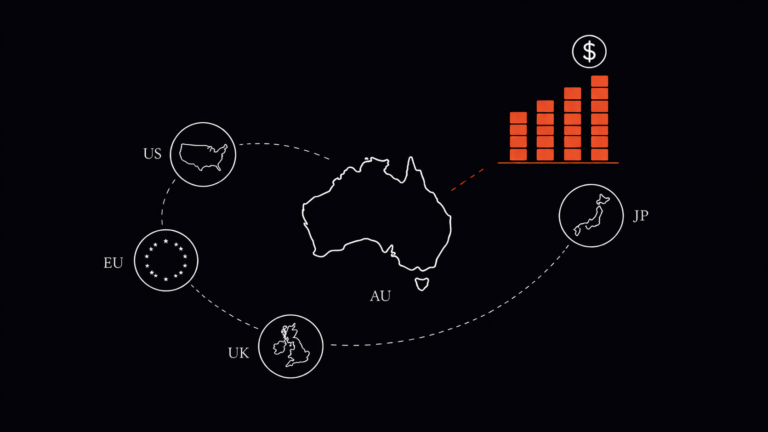
The price you pay for petrol in Australia is not set by your local service station. It is set in Singapore, adjusted for the Australian dollar, taxed twice by the federal government, and then marked up through a wholesale and retail chain before it hits the bowser. Understanding how that price is built — and what causes it to spike — is the difference between filling up smart and paying 30 cents per litre more than you need to.
This article explains what drives Australian petrol prices, what you are currently paying, and how to find the cheapest fuel near you — based on official ACCC monitoring data, Australian Institute of Petroleum figures, and ABS CPI data.
What Australians Are Currently Paying
Last updated: 7 May 2026. Fenro updates this section regularly as new AIP and ACCC data is released.
National averages (week ending 3 May 2026, AIP data):
| Fuel type | National average |
|---|---|
| Regular unleaded (ULP 91) | ~183 c/L |
| Premium 95 | ~193 c/L |
| Premium 98 | ~206 c/L |
| E10 | ~175 c/L |
| Diesel | ~250 c/L (regional areas above 275 c/L) |
Sydney averages (NRMA weekly report, 3 May 2026):
| Fuel type | Sydney average |
|---|---|
| Regular unleaded (ULP 91) | 181.3 c/L |
| Premium 98 | 205.9 c/L |
| Diesel | 245.9 c/L |
| LPG | 113.5 c/L |
Petrol prices move constantly. For live prices at stations near you, use NSW FuelCheck (NSW), FuelWatch (WA), or the MotorMouth app (all states).
What Is Actually Inside the Price You Pay
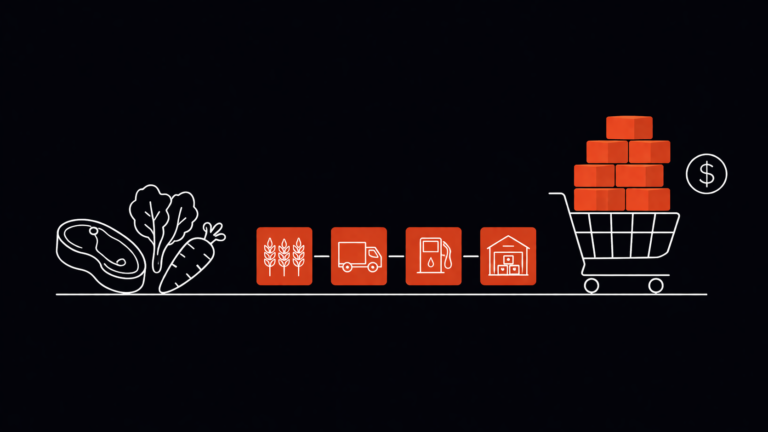
Most Australians know petrol is expensive. Few know exactly why. Here is how the price at the bowser is built, using a typical price of 183 c/L as the example:
| Component | Approx amount | Notes |
|---|---|---|
| International benchmark (Singapore Mogas 95) | ~90–110 c/L | Set by global oil markets, priced in USD |
| AUD/USD exchange rate adjustment | Varies | Weaker AUD = more expensive petrol |
| Shipping and handling | ~5–8 c/L | Australia imports most of its refined fuel |
| Wholesale margin | ~5–10 c/L | Importer/distributor margin |
| Fuel excise | ~26–53 c/L | Federal flat tax per litre (see below) |
| Retail margin | ~10–15 c/L | Service station margin |
| GST (10%) | Applied to total | Tax on top of excise |
The excise explained: The federal fuel excise is a flat tax collected per litre before the price reaches retailers. As of 2026, the standard rate is approximately 53 cents per litre — but the government can and does adjust it. In April 2026, the excise was temporarily halved to 26.3 c/L in response to a fuel price crisis. When excise changes, the full impact flows directly to the pump within days.
Critically: GST is calculated on the total retail price including the excise. You pay tax on top of tax. This is a permanent feature of Australian fuel pricing.
What Drives Prices Up — The Four Key Factors
1. Global crude oil prices Crude oil is the raw material refined into petrol. It is priced in USD per barrel on international markets. When crude rises — due to geopolitical conflict, OPEC production cuts, or supply disruptions — Australian petrol prices follow within 1–2 weeks.
2. The Singapore Mogas 95 benchmark Australia does not have its own major oil refinery network. Most refined petrol is imported and priced against the Singapore Mogas 95 benchmark. This is the single most direct driver of what Australians pay at the pump. When Singapore Mogas rises, Australian terminal gate prices rise.
3. The AUD/USD exchange rate Crude oil and refined fuel are priced in US dollars. A weaker Australian dollar makes every litre more expensive in local terms — even if the USD price holds flat. A 5 cent fall in the AUD can add 3–5 cents per litre to pump prices.
4. The federal fuel excise At approximately 53 cents per litre under normal conditions, the excise is a significant fixed component. It is indexed to CPI and adjusted twice yearly (February and August). The government can temporarily suspend indexation or cut the excise — as it did in April 2026 — but changes are temporary unless legislated permanently.
Why Prices Spike — The Three Scenarios
Geopolitical conflict The clearest example in recent history: when conflict escalated in the Middle East on 28 February 2026, Singapore Mogas 95 rose from approximately 68 c/L to 106 c/L in three weeks. Australian retail prices in the five largest cities jumped from ~170 c/L to 219 c/L in the same period — a 48 c/L surge in under a month. The ACCC monitors these movements weekly and publishes transparent data.
Seasonal demand Petrol demand rises in summer (December–January) as Australians travel more. Prices typically lift modestly in this period even without external shocks.
Supply disruptions Australia has limited domestic refining capacity following the closure of several major refineries in recent years. When global shipping is disrupted or a domestic terminal goes offline — as occurred during the Geelong refinery fire in early 2026 — supply tightens and prices spike locally.
The Price Cycle — Why Prices Move Up and Down Weekly
In Sydney, Melbourne, and Brisbane, petrol prices move in a predictable weekly or fortnightly cycle. Prices rise sharply at the start of the cycle, then fall gradually to a trough before rising again. This cycle is driven by retail competition dynamics — stations lower prices to attract volume, then collectively raise them once the trough is reached.
What this means practically:
- Prices are typically lowest Tuesday to Thursday
- Prices are typically highest on weekends
- Filling up on Thursday instead of Sunday can save 15–20 c/L — approximately $8–11 on a 55L tank
- The gap between the cheapest and most expensive station in Sydney at any point in the cycle can exceed 50 c/L
Western Australia is different: WA operates a regulated Tuesday price cycle via FuelWatch. Prices are set the night before and locked in for 24 hours — making it the most transparent retail fuel market in the country.
Adelaide, Hobart and Darwin have less predictable cycle patterns than the eastern capitals.
Regional vs Capital City Prices
Regional, remote, and rural Australia consistently pays more for petrol than capital cities — typically 15 to 40 cents per litre above capital city averages under normal conditions, and more during supply disruptions.
The reasons are structural:
- Longer transport distances from import terminals
- Lower volume at individual stations means less price competition
- Fewer retail options in remote areas
During the 2026 fuel crisis, remote Western Australia saw prices above 250 c/L for regular unleaded — well above the 183 c/L national average at the same time. The federal government released 20 per cent of strategic fuel reserves specifically targeting regional areas during the peak of the crisis.
How to Always Find the Cheapest Petrol Near You
Australia has several free, real-time tools for finding cheap fuel:
| Tool | Coverage | Notes |
|---|---|---|
| NSW FuelCheck | NSW | Mandatory reporting — stations must update within 30 mins of price change |
| FuelWatch | WA | Government regulated — tomorrow’s prices locked in by 2pm daily |
| MotorMouth | All states | Crowd-sourced, real-time, widely used |
| GasBuddy | All states | Crowd-sourced, app available |
| My NRMA app | NSW focus | Integrates FuelCheck data with navigation |
Three habits that consistently save money:
- Fill up Tuesday to Thursday when prices are at the cycle trough
- Stack supermarket fuel discounts — Woolworths and Coles loyalty discounts of 4 c/L save approximately $2.20 per 55L tank
- Check before you drive — a 10-second check on FuelCheck or MotorMouth before leaving home regularly saves more than the app takes to open
The Excise and Government Intervention
The federal government has two main levers it can pull when petrol prices spike:
Excise reduction: The excise can be cut by regulation without legislation. In April 2026, the Albanese government halved the excise from 52.6 c/L to 26.3 c/L for the period 1 April to 30 June 2026, delivering approximately $19 of savings per 55L tank fill. When a temporary cut expires, prices jump immediately by the restored amount.
Strategic reserve release: Australia maintains strategic petroleum reserves. During the 2026 fuel crisis the government released 20 per cent of reserves to ease supply pressure, particularly in regional areas. Reserve releases affect supply rather than the price directly, but can ease pressure during acute shortages.
What the government cannot control: the Singapore Mogas benchmark, crude oil prices, or the AUD/USD exchange rate. These are set by global markets.
Key Things to Watch That Drive Future Prices
These are the indicators that reliably signal where petrol prices are heading:
- Singapore Mogas 95 price — the most direct leading indicator of Australian pump prices. Published weekly by the ACCC and AIP.
- Crude oil price (Brent and Tapis) — upstream driver of Mogas. Tapis is the most relevant crude benchmark for Australia.
- AUD/USD exchange rate — a weaker dollar means higher pump prices regardless of what oil does.
- Federal excise changes — any budget announcement or ministerial decision on excise flows directly to the pump.
- ACCC weekly fuel monitoring report — published every Friday, the most transparent public data on Australian petrol prices. Free to download at accc.gov.au.
Frequently Asked Questions
What is the average petrol price in Australia right now? As at the week ending 3 May 2026, the national average for regular unleaded (ULP 91) is approximately 183 cents per litre, according to AIP data. This is updated regularly — for live figures check the AIP weekly report or MotorMouth.
Why is petrol so expensive in Australia? Australian petrol prices are driven primarily by the Singapore Mogas 95 international benchmark, the AUD/USD exchange rate, and the federal fuel excise of approximately 53 cents per litre. When global oil prices rise or the AUD weakens, Australian pump prices rise with them.
What day is cheapest to buy petrol? Tuesday to Thursday in Sydney, Melbourne and Brisbane, when prices are typically near the bottom of the weekly price cycle. Avoid filling up on weekends when prices are typically at their highest.
Why is diesel more expensive than petrol in Australia? Diesel trades on a different international benchmark (Gasoil) and has different refining economics to petrol. As of May 2026, diesel prices are significantly above petrol — above 275 c/L in many regional areas — partly due to supply disruptions and strong industrial demand.
Does the government set petrol prices? No — except in Western Australia, where FuelWatch regulates the retail cycle. In other states, prices are set by market competition. The federal government influences prices indirectly through the fuel excise and strategic reserve releases.
How do I find the cheapest petrol near me? Use NSW FuelCheck (NSW), FuelWatch (WA), or the MotorMouth app (all states). All are free and show real-time prices by station.
This article is general information only. Petrol price data sourced from the Australian Institute of Petroleum (AIP), ACCC weekly fuel monitoring reports, NRMA weekly fuel reports, and BP terminal gate price data. Fenro updates the current price figures in this article regularly as new data is published.